
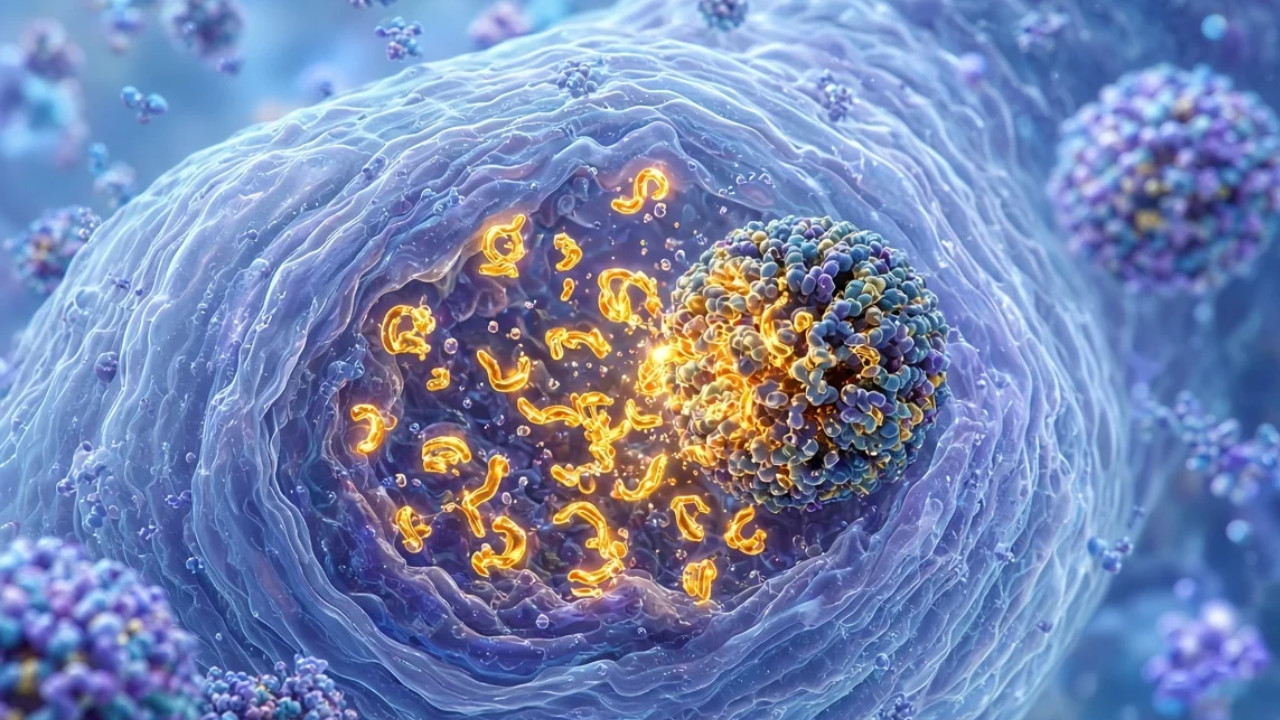
New Delhi: A significant research breakthrough that could give a new direction to the scientific fight against dengue has emerged. Scientists have discovered that tiny RNA fragments present inside cells may play a role in either promoting dengue virus infection or preventing its replication. This finding could open new avenues for understanding the complex biological interactions between the dengue virus and the human body.
Scientists Focus on Hidden Mechanisms Inside Cells
Dengue is a serious viral infection transmitted by mosquitoes and affects a large number of people worldwide. To combat the disease, scientists are continuously working to identify the biological mechanisms that allow the virus to multiply inside the body’s cells. In this direction, a new study has closely examined the role of small RNA fragments derived from transfer RNA, also known as tRNA.
Sometimes Promoting the Virus, Sometimes Slowing It Down!
Researchers found that the process of tRNA breakdown may increase during dengue virus infection, resulting in the formation of small RNA fragments. These include tRNA-derived small RNAs and, in particular, tRNA-derived fragments.
The scientists confirmed the findings obtained through RNA sequencing using a laboratory technique known as Northern blotting. They then used antisense oligonucleotides, which are targeted inhibitory molecules, to understand the role of selected RNA fragments.
By blocking the activity of specific RNA fragments, researchers studied their effects on the replication of the dengue virus. The findings revealed that these RNA fragments may play a dual role. While some fragments promote viral replication, others may help suppress it.
The study also highlighted the role of the PI3K signalling pathway, which is involved in regulating these processes within cells.
New Hope for Future Treatment Research
This discovery could make an important contribution to understanding the interactions between host cells and the dengue virus during infection. However, the findings should not be interpreted as the immediate availability of a new treatment or drug. Further research will be required to confirm the potential therapeutic applications of this discovery.
The authors of the study are Diksha Madhari, Riya Roy, Ariba Aziz, Preeti Sokhal, Sushant Phadnis and Bhupendra Verma. Diksha Madhari and Riya Roy contributed equally as co-first authors.