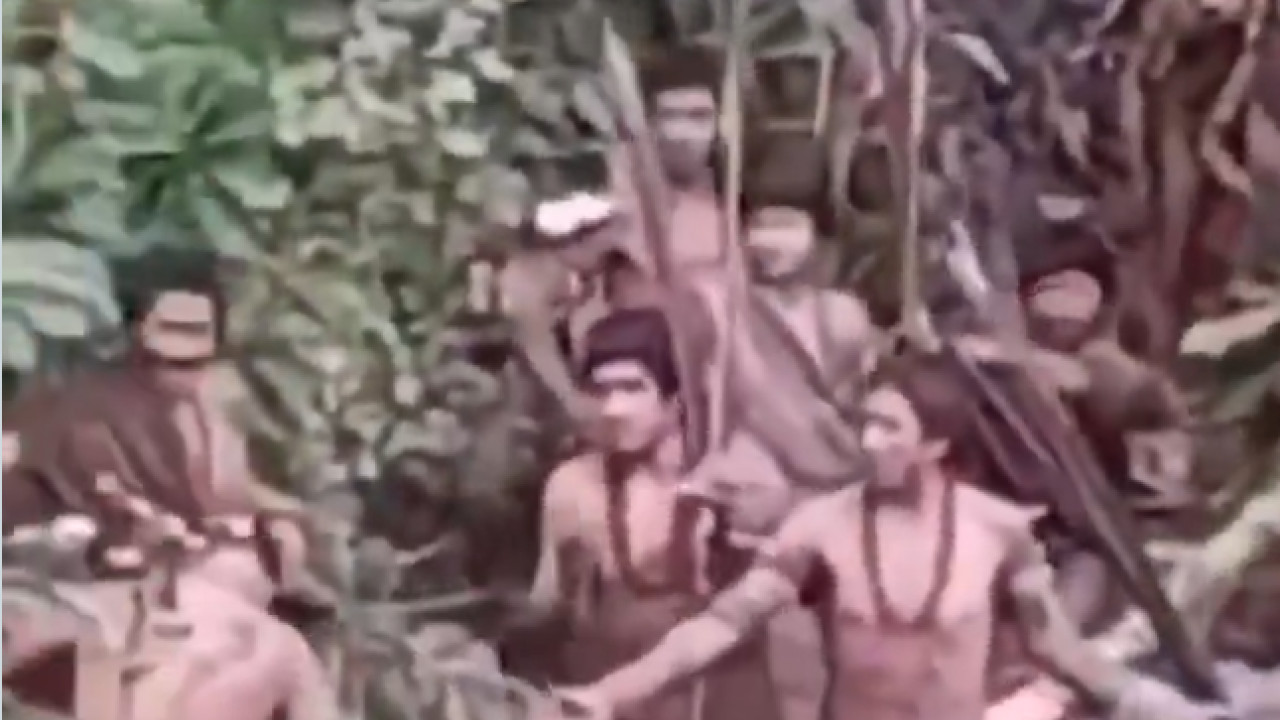
New Delhi: About 20 members of an indigenous tribe living in the Brazilian Amazon rainforest recently emerged from the jungle and returned to a village. The emergence of this community, often isolated from the world, raises many questions. This was not just a casual encounter, but also highlights the dangers facing indigenous communities in the Amazon rainforest. Deforestation, illegal immigration, and the threat of disease are posing significant challenges to their survival.
This incident occurred in the Brazilian state of Maranhao, where approximately 20 members of the Awá community, a community living in the Amazon rainforest, emerged from the jungle and reached a village. According to Survival International, they encountered a government team during their journey. The villagers provided them with food. The tribal group reportedly requested yams (a tuber crop) and returned to the jungle with them.
Who are the people of Awe tribe?
The Awe are among the world’s most threatened indigenous communities. Many of their members still rely on traditional hunter-gatherer lifestyles. The forest is their primary source of food, shelter, and daily needs. Members of this community have chosen to remain isolated from mainstream society. They make their own life decisions, including when and how they interact with the outside world. However, despite their isolation from the rest of the world, their forests are not immune to outside activity. Illegal logging, hunting, and land grabbing for cattle have all caused significant damage to their traditional habitats.
Em uma cena rara e histórica, um grande grupo de indígenas Awá-Guajá, que vivem em isolamento voluntário procurou, ontem, a aldeia Tawari, do povo Guajajara, que não vivem isolados, na Terra Indígena Arariboia, no Maranhão. O contato dos Awá ocorreu de maneira voluntária. Os indígenas Guajajara ofereceram frutas aos visitantes, que aceitaram. No grupo, estavam homens jovens, crianças e mulheres, uma delas, grávida. Os dois povos não falam a mesma língua, por isso não foi possível saber o motivo do contato. Mas a suspeita é de escassez de alimentos. O povo Guajajara registrou o contato em vídeo. O governo federal montou uma sala de situação na região para proteger a saúde dos indígenas isolados e evitar o acesso de madeireiros e garimpeiros à região.
— Renato Souza (@reporterenato) November 18, 2026
Reason for coming out of the forest
The arrival of members of the Awe community to the village is also a cause for concern, as questions have been raised about their physical condition. According to Koapima, an organization representing indigenous communities in Maranyao, some members of the group, especially children and the elderly, appeared severely malnourished.
Furthermore, contact with outsiders could have serious health consequences. Due to prolonged isolation, their bodies may not have sufficient immunity to diseases prevalent in the outside world. Therefore, even common infections can prove dangerous for them. Funai, Brazil’s government agency responsible for indigenous affairs, said its teams are monitoring the situation and reviewing the group’s health information.
Fight to save forests and land going on for centuries
Protecting their territory is no new challenge for the Awe community. With the arrival of Europeans in the 19th century, outsiders began encroaching on their land. This forced many members of the community to adopt a nomadic lifestyle to escape external threats. The situation is no different today. Illegal loggers, hunters, and cattle herders are gradually encroaching on their forests. Additionally, forest fires, widespread deforestation, and climate change have compounded their difficulties, disrupting the balance of the natural environment on which these communities have depended for centuries.
The Arariboia Indigenous Territory of Maranyao is also home to the Guajajara community. Some of the people here have formed groups called Forest Guardians, working to protect their indigenous lands from illegal encroachment. Several people have reportedly lost their lives in this conflict. For the Awe community, every little bit of forest is crucial. Losing forest means less space for hunting, limited food gathering options, and reduced opportunities for safe movement.