
New Delhi: These days, home gardening is becoming increasingly popular. People want to enhance their beauty and greenery by planting a variety of plants on their rooftops, balconies, and courtyards. But did you know that according to Vastu Shastra, certain plants are considered inauspicious to plant on the rooftop? It is believed that these plants can increase negativity in the home and affect the family’s happiness and peace. Let’s find out which plants should be avoided on the rooftop according to Vastu.
Don’t plant these plants on your terrace
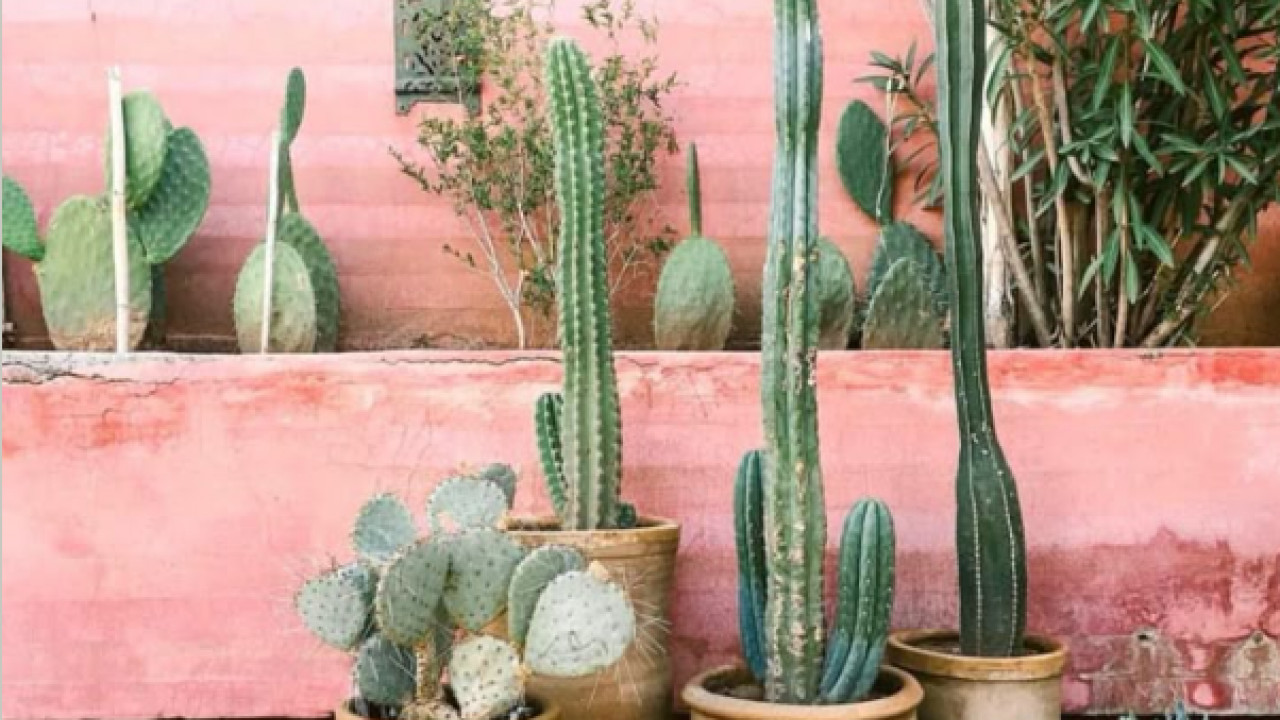
Cactus Plant: There are many beliefs prevalent in Vastu Shastra regarding thorny plants. Cactus is one such plant, which has thorns. According to Vastu, planting thorny plants in the home can increase tension, conflict, and negativity. Therefore, many Vastu experts advise avoiding planting cactus on the roof or in the main living areas.
Peepal and Banyan tree: Often, during the rainy season or through birds, a peepal or banyan tree grows spontaneously on the walls or corners of a house’s roof. These two trees are highly revered in Hinduism, but according to Vastu Shastra, having them on a house’s roof is considered inauspicious.
Dry and withered plants: Keeping dry, wilted, or dead plants on the rooftop for extended periods of time is considered inauspicious. According to Vastu, dried plants are considered symbols of despair, stagnation, and negativity. It is believed that keeping such plants in the house can create a depressing atmosphere and hinder happiness and prosperity. Therefore, regularly care for the plants on the rooftop. Remove any plants that have completely dried out. Add new soil to the pots and provide the plants with water and sunlight as needed. This will keep the rooftop clean and promote plant growth.
Which plants are considered auspicious?
According to Vaastu principles, certain plants in the home are associated with positivity, happiness, prosperity, and peace. These include basil, marigold, hibiscus, jasmine, and some aromatic plants. The basil plant is considered very sacred in Hinduism and is worshipped. Flowering plants like marigold and jasmine not only enhance the beauty of the home but are also used in worship.
Disclaimer: The information in this article is based on Vastu Shastra and general information. TV9 Bharatvarsh does not endorse it.