
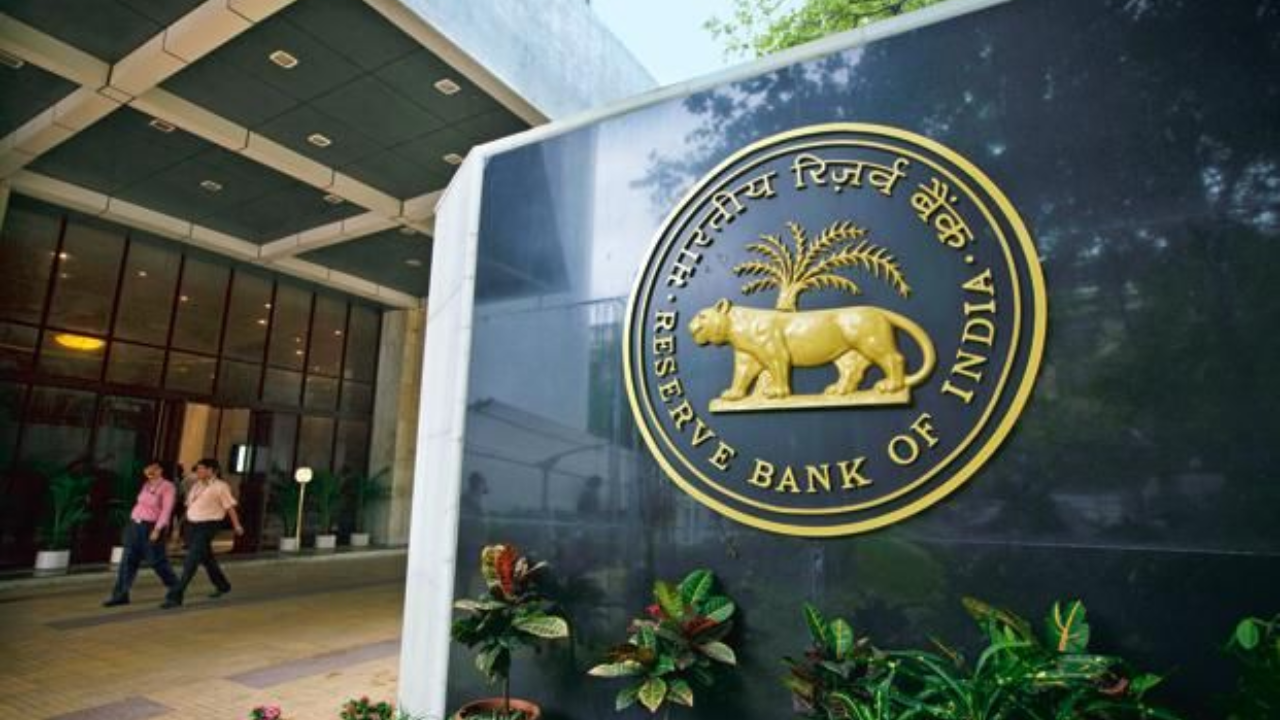
New Delhi: If you have recently received a WhatsApp message claiming to be from the Reserve Bank of India (RBI), don’t assume it is genuine without verifying it. Cybercriminals are increasingly targeting people by using the names of the RBI and the digital rupee (e₹). Some messages threaten users with account freezes, while others lure them into joining or using the digital currency.
These fraudulent messages often contain links or APK files designed to hack mobile phones and steal sensitive banking information. In such a situation, it is important to understand what the digital rupee is and how to distinguish between genuine RBI communication and online scams.
What is digital rupee and how does it work?
The digital rupee, also known as e-Rupee (e₹), is a Central Bank Digital Currency (CBDC) issued by the Reserve Bank of India. It is not operated by a private organisation like any cryptocurrency; rather, its entire responsibility rests with the RBI. It is kept in a digital wallet and can be used to make person-to-person and merchant payments. Its validity is equivalent to cash rupees, and it can be used through selected banks and authorised platforms.
Why are fake WhatsApp messages being sent in the name of RBI?
Cybercriminals are using the names of government institutions and banks to win people’s trust. In recent cases, it has been seen that messages sent on WhatsApp claim that your bank account is involved in suspicious transactions or that you need to complete necessary procedures related to digital currency. Along with this, an APK file or a suspicious link is sent. As soon as a person downloads it, control of their mobile can reach cyber thugs and the risk of theft of banking information increases. PIB Fact Check has also termed such messages as fake.
How to identify whether the message is real or fake?
According to experts, the RBI never sends an APK file on WhatsApp and asks any customer to install it. Neither the bank nor the RBI asks for an OTP, PIN, password, or banking information by clicking on any link. If any message shows haste and asks to close the account, freeze money or take immediate action, then one should be alert. Such messages should always be confirmed through the bank’s official website, mobile app, or customer care.
What are three easy ways to avoid online fraud?
- The first rule is not to download any unknown links or APK files.
- Second, do not share confidential banking-related information like OTP, UPI PIN, CVV, or password with anyone, even if the other person introduces himself as a bank official.
- Third, if you receive any suspicious message, report it immediately to your bank and the National Cyber Crime Helpline. A complaint made in time can sometimes save you from huge financial loss.
What to do if the link is clicked by mistake?
If you have clicked on any suspicious link or downloaded an APK file, then first turn off the internet and delete the concerned app immediately. After this, inform your bank and get necessary security steps taken on the card or account. Change all important passwords and get the mobile security checked. If needed, file a complaint on the 1930 cyber helpline or the National Cyber Crime Portal. Experts say that steps taken in the first few minutes can save the bank account from becoming empty.