
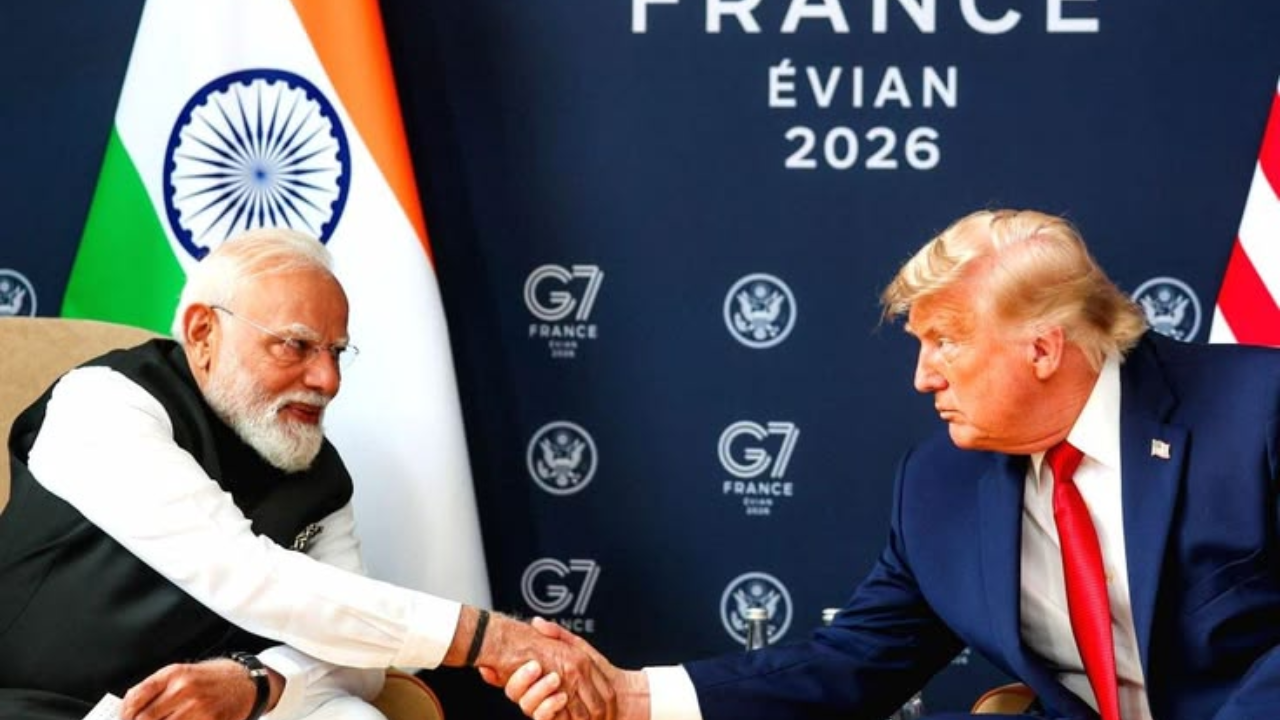
Washington: The United States may step up pressure on India over its energy imports from Russia. The White House has endorsed a proposed bill that could impose tariffs of up to 500 percent on countries continuing to trade with Russia’s energy sector. Major importers such as India and China are expected to be among the primary targets of the proposal.
What is the 500 per cent tariff proposal?
The purpose of the “Sanctioning Russia Act” introduced in the US Congress is to create economic pressure on countries involved in Russia’s oil and gas business. If this bill becomes law, the US President may get the authority to impose an additional duty of up to 500 per cent on imports coming from such countries.
What did the White House say?
A White House official has confirmed that President Donald Trump supports this proposed bill. However, the final decision on this will be taken only after the approval of the US Congress.
Why is India at the centre of this proposal?
US lawmakers argue that a large share of Russia’s energy exports go to countries like India and China. They believe that if purchases from these countries reduce, economic pressure on Russia will increase and the situation related to the Ukraine war may be affected.
On the other hand, India has consistently clarified that it imports oil keeping in mind its energy needs and economic interests. India says its energy trade is based on national needs and not on any geopolitical bias.
What could be the impact on India’s economy?
Economic experts believe that if tariffs of up to 500 percent are implemented, pressure on India’s exports may increase. Sectors like the pharmaceutical industry, textiles, and IT services are expected to be affected first. According to some estimates, its impact may also be visible on the country’s economic growth.
Why has the issue become more sensitive now?
Recently, the temporary exemption from the US Treasury Department, under which India could buy Russian crude oil, has expired. After the end of this relaxation, the situation is considered more complex than before, and everyone is keeping an eye on the future strategy.
Are there differences of opinion on this proposal in America also?
There is no unanimous opinion even in American politics regarding this bill. Some lawmakers want President Trump to publicly support the proposal, while some leaders believe that harsh economic action on countries like India and China could affect global trade and supply chains.
What will happen next?
At present, this proposal has not become law. Before it can be implemented, it will have to be approved by both houses of the US Congress. If the bill is passed, it could have a wide-ranging impact on America’s trade relations with many countries, including India and the global energy market.