
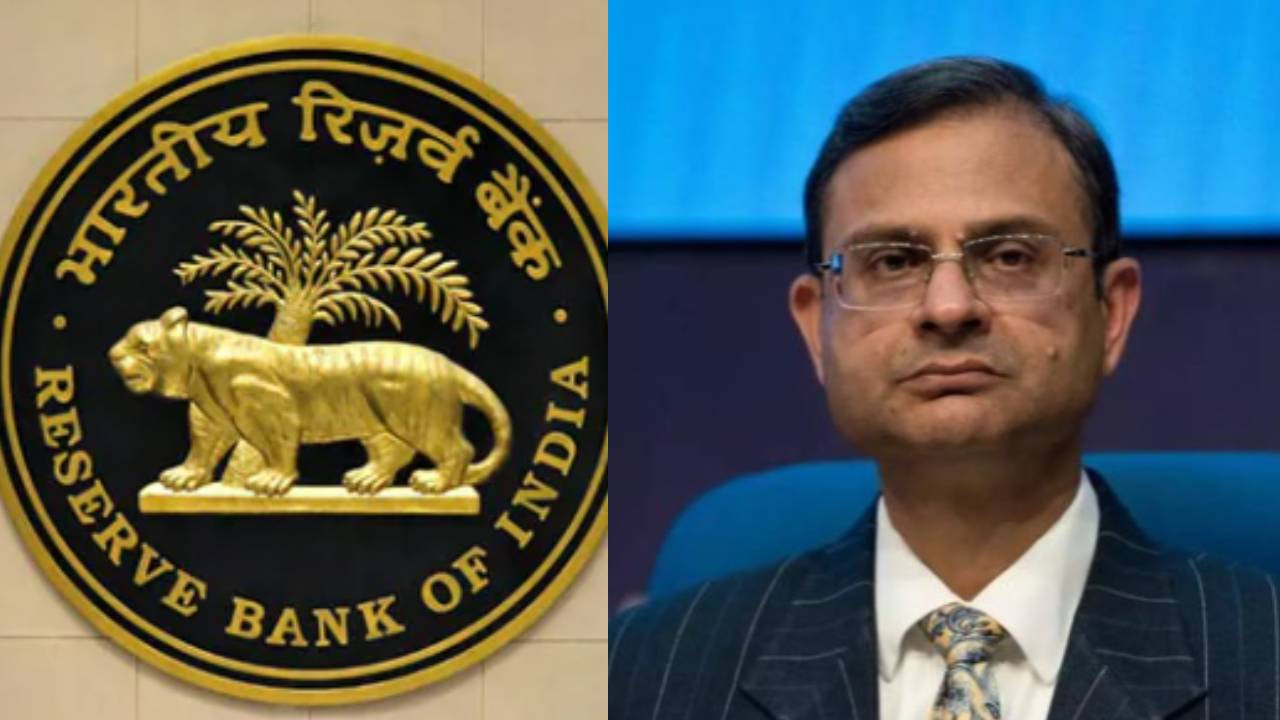
New Delhi: The Reserve Bank of India (RBI) increased the repo rate by 25 basis points i.e. 0.25 percent, on Wednesday, October 7, amid rising inflationary pressure. With this the repo rate increased from 5.25 percent to 5.50 percent. This is the first time since February 2023 that RBI has increased the repo rate. The six-member Monetary Policy Committee unanimously supported this decision.
Why did the repo rate have to be increased?
While announcing the monetary policy, RBI Governor Sanjay Malhotra cited inflation as the main reason for increasing the rates. Ongoing tensions in West Asia, fluctuations in crude oil prices and rising food prices have increased inflation risks. Retail inflation rose to 4.82 percent in August, which remained above the RBI’s 4 percent target for the third consecutive month.
Will your EMI increase?
An increase in repo rate may have an impact on loans taken from banks and other financial institutions. In case of an increase in interest rates on home loan, car loan and personal loan, EMI of existing borrowers may increase. However, it is not necessary that this affects every loan immediately or equally. Banks will decide its impact based on their lending rates and loan terms.
Why did RBI change its stance?
Along with increasing the repo rate, RBI has changed the monetary policy stance from ‘neutral’ to ‘calibrated tightening’. This indicates that the central bank is currently adopting a more stringent stance regarding the risk of inflation. However, the governor clarified that the decision on any further rate hike will depend on the actual data of inflation and economic growth.
What happened to SDF and MSF rates?
RBI has kept the Standing Deposit Facility (SDF) rate at 5.25 percent. Whereas Marginal Standing Facility (MSF) and bank rate are at 5.75 percent. There was also no change in the Cash Reserve Ratio (CRR) and it remains at 3 percent.
What happened to SDF and MSF rates?
RBI has kept the Standing Deposit Facility (SDF) rate at 5.25 percent. Whereas Marginal Standing Facility (MSF) and bank rate are at 5.75 percent. There was also no change in the Cash Reserve Ratio (CRR) and it remains at 3 percent.
Is the risk of inflation looking more serious?
Interestingly, despite increasing the interest rates, RBI has increased the economic growth estimates. The GDP growth estimate for the financial year 2026-27 has been increased from 6.7 percent to 7.1 percent. At the same time, the inflation estimate has been increased from earlier 5 percent to 5.2 percent. According to RBI, despite strong economic activity, the risk of inflation now looks more serious.
What will be the impact on home buyers?
An increase in the repo rate creates a possibility of an increase in interest rates for new home loan borrowers. At the same time, the EMI or loan tenure of old loans with floating rates may also be affected. In such a situation, customers taking loans for home, car or other big purchases will have to keep an eye on the interest rates of banks in the coming days.