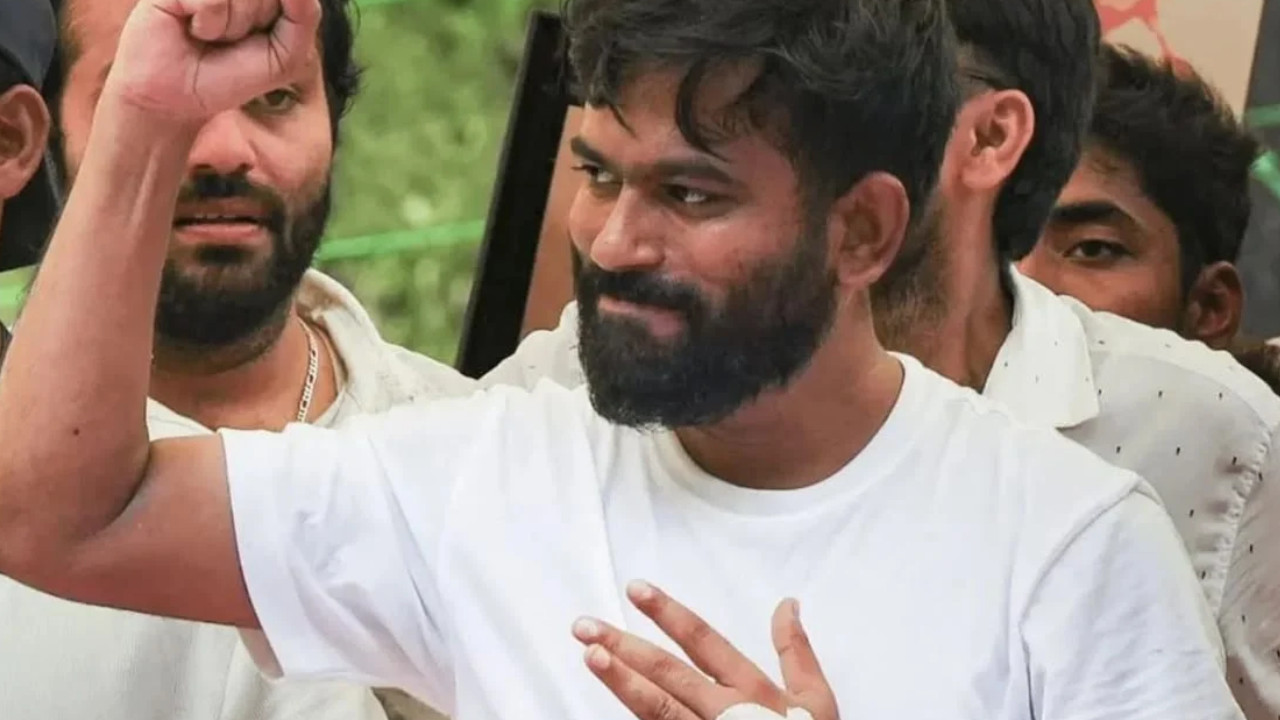
New Delhi: Cockroach Janata Party (CJP) founder Abhijit Dipke’s troubles seem to be increasing. Delhi Police has initiated precautionary action against him under sections 126 and 170 of the Indian Civil Security Code (BNSS). He is to be produced before the Special Executive Magistrate (SEM) on Saturday. On the other hand, All India Students Association (AISA) national president Neha Bora has been released by the police after completing the formalities. In such a situation, the question is arising whether Abhijeet Dipke will also be sent to judicial custody like CJP leaders Saurav Das and Ashutosh Ranka?
How did Abhijeet Dipke reach police custody?
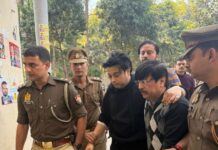
According to the information, on Friday, October 16, Delhi Police detained Abhijeet Dipke from Jhandewalan area. He was heading towards Connaught Place, where the ‘Lehra Do Tiranga’ demonstration was proposed to be organised. Meanwhile, AISA national president Neha Bora was also detained. Police also took action against other people associated with the protest to maintain law and order.
After Dipke’s detention, CJP raised questions about his condition. The organisation alleged that his family, lawyers and party members faced difficulty in contacting him. However, police said that action has been taken against Dipke under sections 126 and 170 of BNSS and he will be produced before a magistrate.
Why were Saurav Das and Ashutosh Ranka sent to jail?
To understand the current situation of Abhijit Dipke, the case of two other CJP leaders Saurav Das and Ashutosh Ranka is also important. Earlier, the three leaders were detained ahead of the proposed demonstration on October 10. Later he was released on a bail-cum-bond of Rs 50,000 each. During this, he had accepted the condition of maintaining peace and good conduct for one year.
However, Saurav Das and Ashutosh Ranka were detained again during the demonstration at Jantar Mantar on 14 October. Police alleged that the duo entered the restricted protest site and violated the peace norms already in place. After this, the court sent both of them to judicial custody for five days and they were sent to Tihar Jail.
Can Dipke’s problems increase due to old bonds?
In this case the role of previously filled bond may be important. The person filling the bond to maintain the peace is expected not to disturb the peace and of good conduct for a stipulated period. If allegations of violation of terms emerge, further legal action may be taken by the relevant authorities.
However, making allegations against a person and proving them legally are different things. In the case of Abhijeet Dipke, the magistrate can decide the further procedure on the basis of the police report, available facts and applicable legal provisions.
What do Section 126 and 170 of BNSS say?
Section 126 of the BNSS deals with bonds to maintain the peace. Under this, the Executive Magistrate, on receiving information that a person may disturb the peace or create a threat to public peace, has the right to initiate the process of getting a bond to maintain the peace for a specified period.
At the same time, Section 170 gives the police the power to arrest without warrant in certain circumstances to prevent a possible cognizable offence. For this it is necessary to fulfil the legal conditions. Detention under this provision may not normally exceed 24 hours, unless further detention is authorized under some other legal provision.
Will Abhijeet Dipke also have to go to Tihar Jail?
At present, no final conclusion can be drawn regarding Abhijeet Dipke going to Tihar Jail. During his appearance the magistrate will consider the police action and the available facts. The further course of action will depend on what orders the magistrate passes and whether detention is considered necessary under any other legal provision.
Therefore, it is too early to say whether Dipke will be sent to judicial custody like Saurav Das and Ashutosh Ranka. Further decision in the matter will be clear only after the legal process.