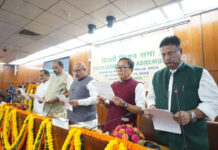
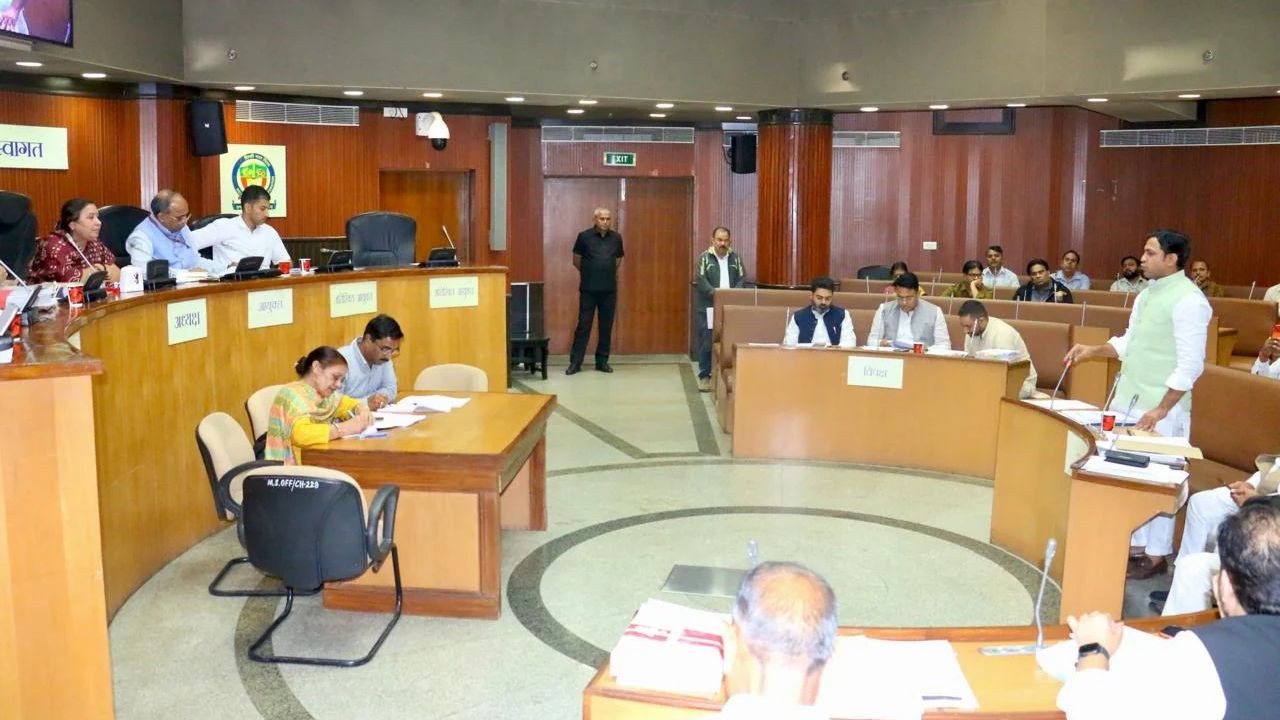
New Delhi: The Municipal Corporation of Delhi (MCD) has approved a series of proposals aimed at improving road cleanliness, reducing dust pollution and strengthening civic services across the capital. At a meeting chaired by Standing Committee Chairperson Satya Sharma, the civic body cleared a ₹923.57 crore plan to deploy 70 modern road-cleaning machines, introduce barrier-free toll collection at 126 entry points and begin filling 1,066 vacant posts in the Public Health Department.
70 Machines to Tackle Road Dust
Under the approved plan, 70 modern machines will be deployed to clean Delhi’s roads over the next 10 years. Work worth ₹923.57 crore has been approved for agencies under three separate packages, with the selected agencies also responsible for operating and maintaining the equipment.
Smaller machines will run on electricity, while larger ones will have the option of using either electricity or compressed natural gas (CNG). The initiative is intended to control dust accumulation on roads and help address pollution.
Barrier-Free Toll Collection at 126 Entry Points
The MCD has also approved a multi-lane free-flow toll collection system at 126 entry points into Delhi. The technology will use Radio Frequency Identification (RFID) and Automatic Number Plate Recognition (ANPR) to identify vehicles while they are moving and collect the applicable toll without requiring them to stop at barriers.
The system will be developed and operated under a six-year contract, with the aim of making toll collection more efficient and reducing traffic interruptions.
1,066 Vacancies to Be Filled in Public Health Department
To strengthen public health services, officials have been directed to immediately begin the recruitment process for 1,066 vacant positions in the department. The vacancies include posts for malaria officers, inspectors and other staff members. Contractual appointments may also be considered wherever required.
Focus on Ward-Level Services and Public Complaints
Satya Sharma also instructed officials to resolve public complaints at the zonal level and conduct surprise inspections of offices. She further directed that every ward should have at least one park equipped with rainwater-harvesting facilities.
Emphasising the need for accessible civic administration, Sharma said elected representatives and residents should not have to make repeated visits to the MCD headquarters to get their problems resolved. The directions underline the civic body’s focus on improving accountability and delivering services closer to residents.