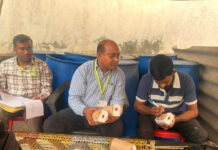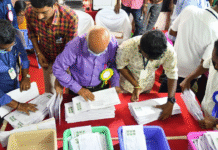
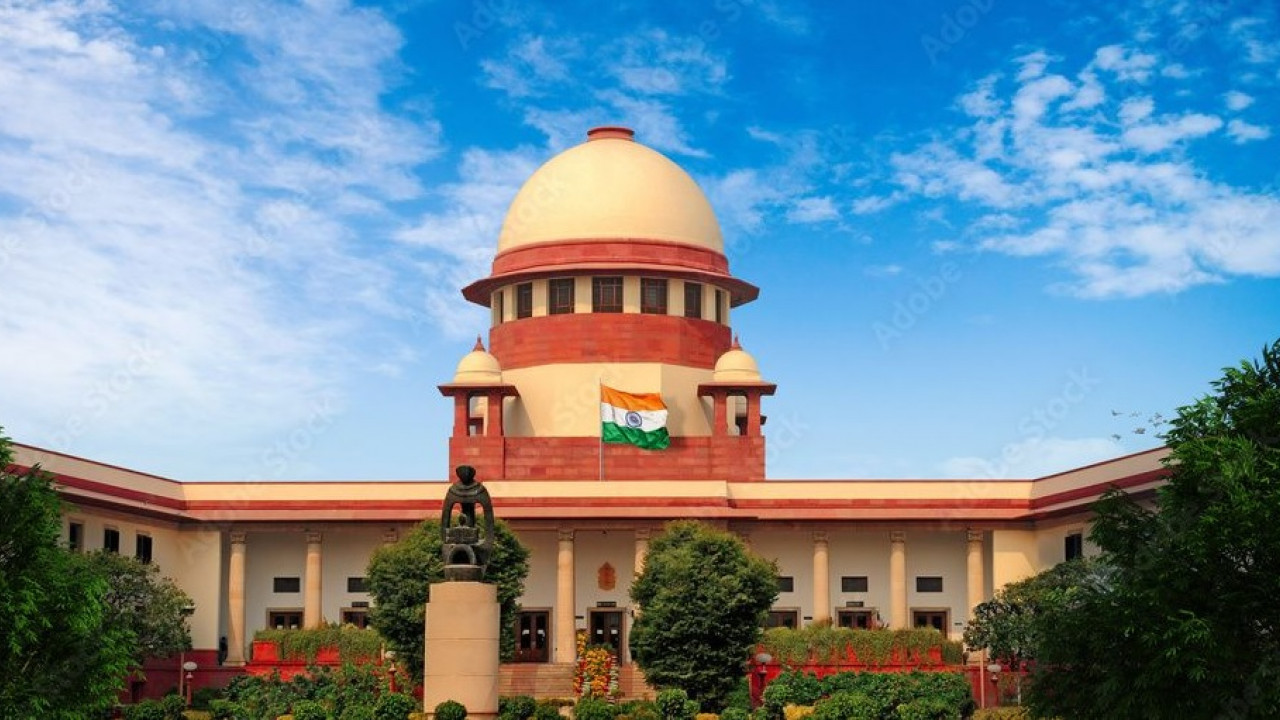
Lucknow: The Supreme Court on Monday made an important comment in the case of alleged theft of offerings in the Ram temple in Ayodhya. The Uttar Pradesh government told the court that the Special Investigation Team (SIT) probing the case has filed a charge sheet. According to the government, the theft incident took place during the counting of offerings in the temple. In this case, some accused allegedly purchased property with the stolen money, while some deposited it in bank accounts.
The Supreme Court disposed of the petitions by taking on record the information given by the government. The court said that now the hearing of the case will proceed in the local court of Ayodhya. Also, the petitioners were allowed to cooperate in the local court proceedings.
How did the offerings in Ram temple get stolen?
Solicitor General Tushar Mehta, appearing for the Uttar Pradesh government, told the bench of Chief Justice Surya Kant and Justice Joymalya Bagchi and Justice V. Mohana that the SIT investigation has revealed that the theft took place during the counting of the amount of offerings.
Mehta told the court that the chargesheet in the case has been filed in the Judicial Magistrate’s court. The investigation has also revealed information about some accused allegedly using the stolen money to buy property.
What did the accused do with the stolen money?
Solicitor General Tushar Mehta told the court that some of the accused were allegedly buying properties with the stolen money, while some had deposited the money in bank accounts. The Supreme Court took this information given by the government on record.
In this case, the petitioners had approached the apex court demanding an independent investigation into the alleged theft of offerings.
What instructions did the Supreme Court give to the petitioners?
While disposing of the petitions, the Supreme Court said that the hearing of the case will now proceed in the local court of Ayodhya. The petitioners can cooperate in the judicial process going on there.
However, the court clarified that it has not given any opinion on the merits of the case of theft of offerings in Ram temple. This means that the role of the accused in the case and the veracity of the allegations will be decided during the hearing in the local court.
When did SIT file the charge sheet?
Earlier on September 21, the special investigation team constituted by the court had told the Supreme Court that it would file its first charge sheet on or before September 25. Now the Uttar Pradesh government informed the court that the chargesheet has been filed in the Judicial Magistrate’s court.
What happened on the petition regarding Ram temple land?
During the hearing, the Supreme Court also refused to consider another new petition. In this petition, a request was made to decide whether the Ram temple was constructed on the same land in respect of which the judgement in the main Ayodhya dispute case was given.
In this way, the Supreme Court, while disposing of the petitions related to the offering theft case, left the further hearing to the local court.