




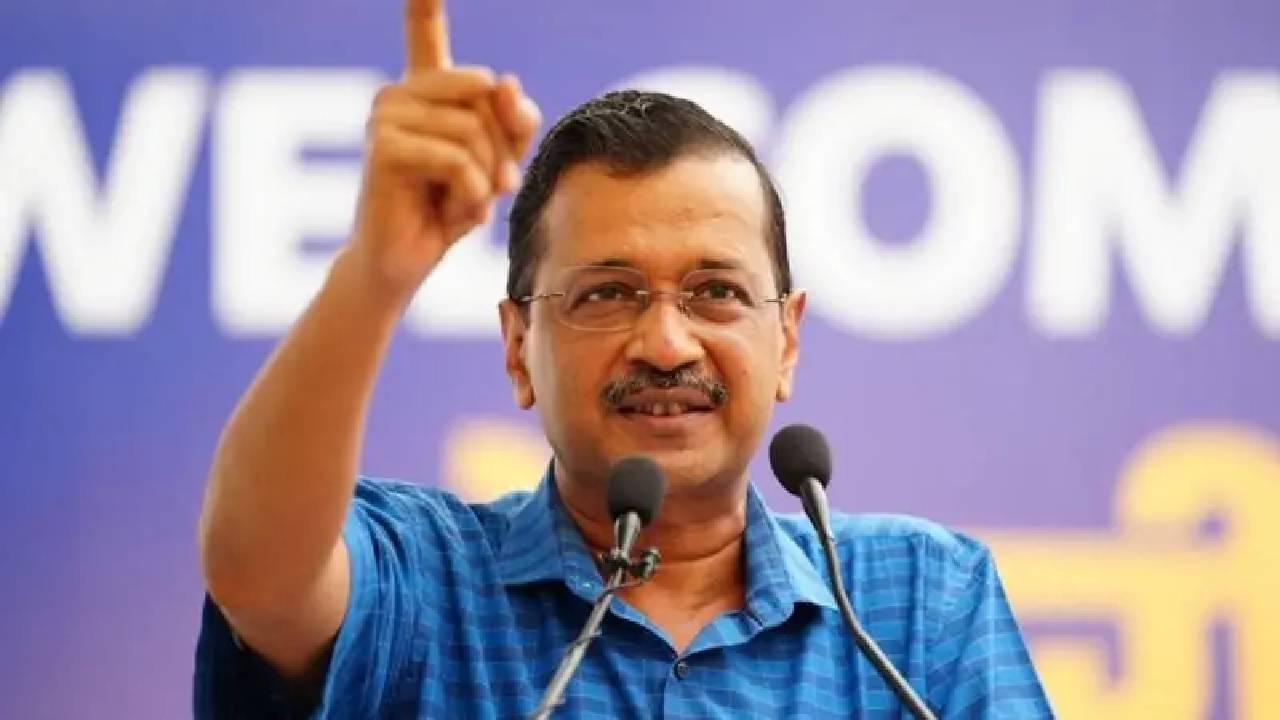
AAP is focusing on basic issues that affect daily life in Goan villages. The party is highlighting problems like water supply, sanitation, waste management and rural connectivity. Campaign teams are visiting homes, explaining that village decisions should be made locally, not controlled by larger power structures. Leaders say people respond better when problems are solved at source. AAP believes decentralised planning can bring trust. Their campaign uses small meetings and direct conversations instead of large rallies.
What Strategy Is Being Used On Ground?
The party has deployed trained booth-level workers across rural pockets. Each team is responsible for reaching specific households. Candidates are trained to speak in simple language and avoid complex political messaging. They highlight success seen in Delhi in health clinics, schools and transparency. Focus is on how similar low-cost models can be applied in Goa villages. AAP says people want practical solutions instead of big promises from seasoned politicians.
Can Traditional Parties Be Challenged?
Regional parties are strong at village level due to long voter relations. AAP leaders claim old systems have become stagnant and development is slow. Workers are appealing to youth and first-time voters with ideas like digital record keeping and transparent budgeting. Analysts suggest AAP might not dominate polls but could shift decision-making approach. Even partial penetration at Panchayat level can create pressure for reforms. Villagers demand accountability, and AAP is using that sentiment.
How Are Rivals Responding To AAP Growth?
Opposition parties accuse AAP of importing urban politics to rural areas. They say Delhi development model cannot work in Goa villages. However, AAP counters that village issues need precise solutions, not political rivalry. The party maintains it is not just contesting but creating a new model of village empowerment. Early feedback shows rising curiosity among voters, especially where basic services have been neglected.
What Is The Campaign Style Adopted?
AAP is avoiding heavy public rallies and focusing on direct interactions. Candidates record issues from residents and promise realistic action plans. Campaign materials use simple visuals, charts and examples to explain proposed changes. Women’s groups and small business owners are targeted for support. Youth volunteers are handling social media to influence young voters. Teams are trained to maintain polite approach even during criticism from opponents.
Could Voter Sentiment Shift This Time?
Survey comments suggest some positive response, especially from areas unhappy with older representatives. People are open to hearing new voices but still cautious about change. AAP’s consistent visits, respectful tone and practical solutions are gradually building trust. If campaign momentum continues, a shift in local political mindset is possible. Analysts say impact may be slow but could grow after this election cycle.
What Is AAP’s Long Term Objective?
Leaders say the party aims to build a repeatable village development pattern across Goa. Even without majority, visibility in Panchayat system will help future expansion. Focus is on honest representation, youth involvement and public participation in planning. According to strategists, challenging traditional political attitudes is itself progress. Party believes winning voter confidence is the biggest victory, not just seat count.