




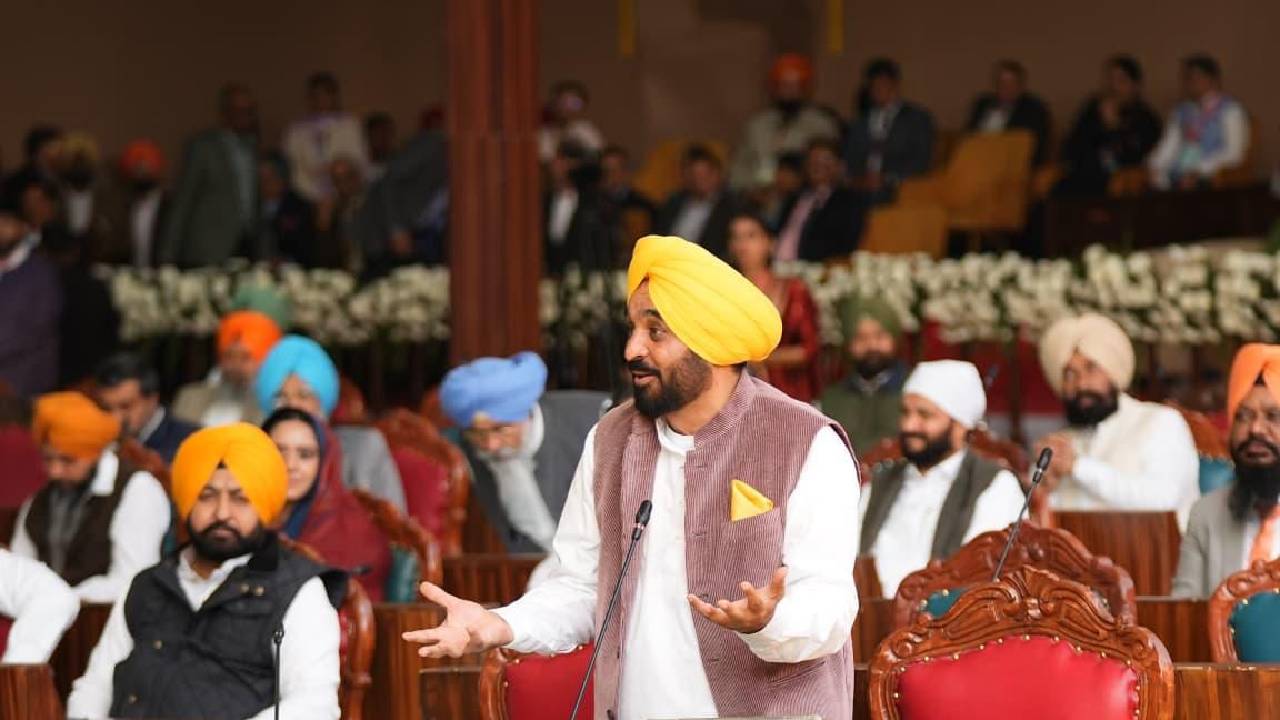
For the first time in history, the Punjab Assembly convened its special session outside Chandigarh, choosing the holy city of Sri Anandpur Sahib as the venue. The decision was taken to honor the supreme sacrifice of Guru Tegh Bahadur Ji. This marked a symbolic move linking governance with spiritual reverence. The session generated widespread appreciation across the state. Leaders described it as a meaningful tribute to Sikh heritage. The event infused political proceedings with cultural context. It created a unique environment of devotion and pride.
What Is The Significance Of Anandpur Sahib?
Sri Anandpur Sahib holds immense importance as the birthplace of the Khalsa Panth established by Guru Gobind Singh Ji. Numerous historic events of the Sikh faith occurred here. Conducting the Assembly session at this sacred site was seen as a gesture to preserve Punjab’s spiritual roots. It highlighted how democratic institutions can honor cultural foundations. Authorities said the location selection reflected emotional respect. Residents and devotees felt fortunate to witness this occasion. The move connected governance with religious symbolism.
What Proposal Did The Chief Minister Present?
Chief Minister Bhagwant Mann introduced a proposal to declare Anandpur Sahib, Talwandi Sabo, and the Golden Temple precincts as “Holy Cities.” The Assembly unanimously approved the resolution. Leaders said this step will help protect and maintain key religious sites for future generations. The decision was welcomed across communities. Preservation of spiritual zones was emphasized as a priority. Officials believe it will increase global recognition of Sikh heritage. This initiative is seen as transformative for cultural conservation.
What Additional Events Were Organized Statewide?
Alongside the Assembly session, Punjab witnessed several religious and social programs. Large Nagar Kirtan processions were carried out with massive participation from devotees. Seminars and panel discussions explored the life principles and sacrifice of Guru Tegh Bahadur Ji. Blood donation drives were held to promote humanity. Tree plantation activities spread awareness regarding environmental responsibility. People across different districts engaged enthusiastically. The state experienced a wave of devotion and unity. These initiatives elevated the commemorative spirit.
Why Is Guru Tegh Bahadur’s Sacrifice Remembered As Unique?
Guru Tegh Bahadur Ji sacrificed his life defending religious freedom and protecting Kashmiri Pandits from persecution. His martyrdom is considered a rare example of courage and spiritual resilience. Experts say his decision represented the highest form of human solidarity. Through this event, leaders aimed to make young generations understand the values of tolerance and justice. His teachings continue to inspire peace and righteousness. The Assembly session honoured these ideals. The message reached millions across the region.
How Does This Initiative Reflect Governance With Values?
The move by the Punjab Government is seen as an innovative attempt to connect democratic institutions with cultural identity. Officials said democratic leadership must uphold historical roots. This initiative reinforced the message of harmony across different communities. Leaders highlighted that governance is most meaningful when it supports inclusive principles. It showcased how politics can promote social cohesion. The session blended policy direction with moral responsibility. Observers praised the balanced approach.
What Impact Will This Event Have On Future Generations?
The historic session strengthened Punjab’s identity on cultural and emotional grounds. It demonstrated that democratic traditions and spiritual heritage can complement one another. Leaders believe this step will be remembered for generations. Students and youth witnessed a practical example of respectful governance. The message of unity and brotherhood was widely acknowledged. Historians called it a milestone moment. This initiative is likely to be documented as a proud chapter in Punjab’s legacy.