



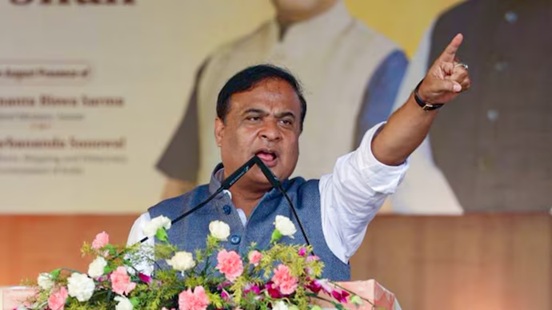
Guwahati: Assam Chief Minister Himanta Biswa Sarma on Sunday once again gave a strong statement regarding the ‘Miya’ community. The Assam Chief Minister said at a government event that as long as he remains in power, the ‘Miya’ community will face difficulties in the state. This statement of his came to the media and immediately a controversy broke out. The discussion has intensified in administrative and political circles.
In what context did Sarma say ‘Miya’?
The Chief Minister said that in Assam the word ‘Miya’ generally refers to Bengali-speaking Muslims. He said that a large number of people are coming and living illegally from Bangladesh. He asked that if someone is a Bangladeshi, then how can he work in Assam?
What kind of action did he talk about?
Sarma said that if people do not understand his suggestion, then the government will have to take strict action. He made it clear that his priority is to follow the law. He also hinted that creating trouble would cause people to leave from here.
What was the reaction of the community and organizations on this?
The All India Muslim Personal Law Board not only called the statement objectionable but also called it “dangerous and divisive.” The board has also sought intervention from the Supreme Court and the President in the matter. Local civil society and some political leaders also appeared worried.
What additional allegations did Sarma mention?
The Chief Minister accused the community of encroaching on Satras land. He also cited terms like ‘love jihad’ and ‘fertilizer jihad.’ These claims have been a part of his rhetoric before and he has repeated them time and again.
How were the expressions of law & order found?
Sarma reiterated his earlier stand that no non-citizen can work within the ambit of law. His argument was that only citizens can work in their own country. At the same time, lawmakers and human rights groups say that accusing and targeting the group can affect constitutional rights.
What is the visible political impact?
Political analysts believe that such statements can increase polarization in local politics. Opposition parties have said that such statements affect social harmony. The government side says this is a legal and security issue, not a religious one.
What is likely to remain ahead?
The matter seems to be turning into a high-level debate. Complaints of concerned organizations and possible legal steps will become the subject of discussion. Political and social reactions will be monitored in the coming days.