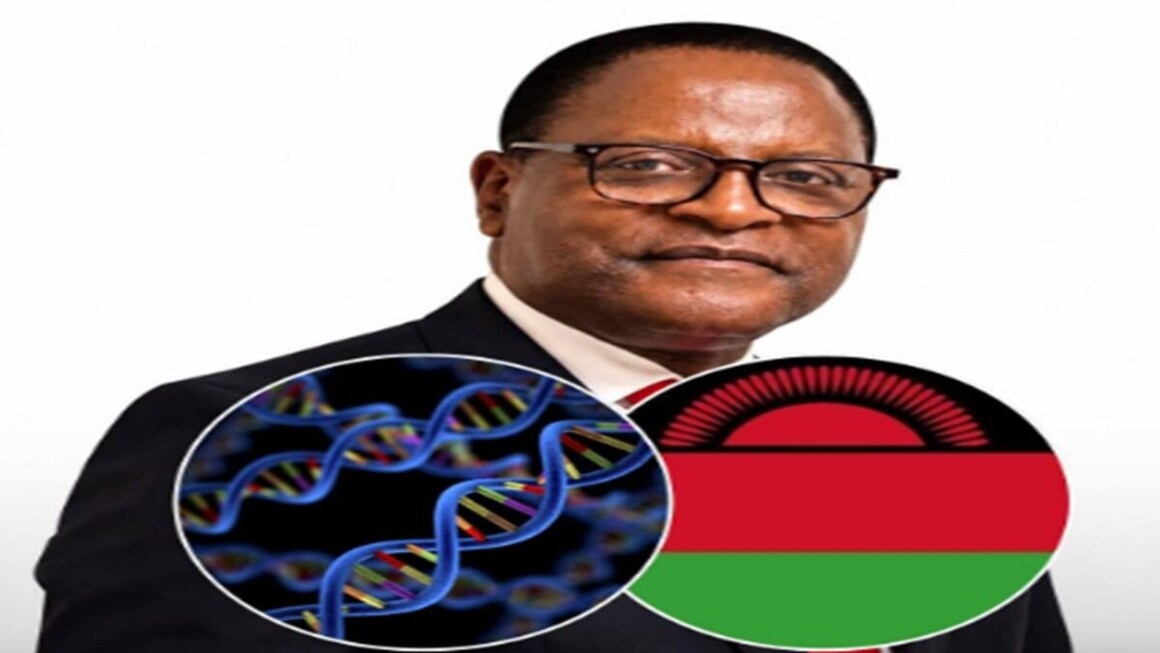
New Delhi: African country Malawi is in the news these days regarding a shocking statistic related to paternity test. Local media reports claim that in nearly 80 percent of cases in which DNA paternity tests were conducted due to suspicion of infidelity, the man was not found to be the biological father. However, it would not be correct to apply this figure to families across Malawi or to all fathers. Actually, these figures are related to those people who went for paternity test after already having doubts. In such cases, there is a possibility of selection bias.
Is it really true that 80 percent of the children have someone else as their father?
According to the report, genetics scientist Kingdom Kwapata said that he sees more than 30 paternity-related cases every month. This number reaches around 400 annually. According to him, about 80 percent of the time in cases initiated by men due to suspicion of infidelity, their apprehensions are proven correct.
According to Kwapata, many men are skeptical about WhatsApp messages or other alleged evidence before undergoing a DNA test. Therefore, it would not be appropriate to consider these cases as representative figures of the entire society.
Was the same picture seen in another DNA lab in Malawi?
The report also quoted Philip Mwanza, CEO of Attestation Background Checks and DNA Limited, as giving similar figures. About 20 people come to his clinic every month for paternity testing and according to him, the non-paternity rate in cases conducted privately is around 80 percent. Mwanza also said that now the use of DNA testing is increasing in divorce legal proceedings also. Due to this, the role of investigation in legal and family matters of paternity disputes is increasing.
Is the result of DNA test sent from the court also 80 percent?
This is where the most important aspect of this entire data comes to the fore. According to the report, the results of paternity tests conducted by the court in cases like maintenance are quite different from those conducted privately based on suspicion. According to Kwapata, in about 90 percent of such court-referred cases, men are proven to be the biological father. This indicates that it would not be correct to put private DNA tests conducted due to prior suspicion and tests conducted as per the court process in the same category.
What is the reason for the increasing demand for paternity testing?
With DNA testing facilities becoming available locally in Malawi, demand for tests in paternity disputes is increasing. According to the report, the average cost of a DNA test there is said to be around 4 lakh kwacha. This is a huge amount for many families, but amidst family disputes, people are deciding to get the investigation done.
The dispute regarding paternity is not limited to the relationship between husband and wife only. It may also impact matters related to child care, financial responsibility, inheritance and divorce.
Are such cases having an emotional impact on families?
Paternity test results can be extremely sensitive for families. The report cites the example of Lilongwe businessman Ibrahim Swed, who conducted multiple DNA tests on his children in 2022. After some of the results came back negative, she said, she also had to get tested for the children who had been reported as hers till now.
In such cases, family relationships built over years may be affected. Apart from this, disputes related to financial responsibility, divorce, inheritance and upbringing of children can also deepen.
What does the figure of 80 percent tell us?
It would be wrong to interpret this figure as the rate of infidelity in Malawi. The available information pertains only to cases in which men went for a DNA test due to prior suspicion. Such a group of people does not represent the general population.
Therefore, the 80 percent figure indicates that some clinics that conduct paternity tests based on suspicion have a high incidence of non-paternity but does not lead to the conclusion that 80 percent of children in Malawi are not the biological children of their alleged fathers.