Chandigarh: Citizens’ participation in Punjab’s fight against drugs has emerged as a significant force, with 51,979 tip-offs received from citizens helping authorities make 25,339 arrests under the state’s anti-drug enforcement drive under the Punjab Bhagwant Mann Government’s ‘Yudh Nashean Virudh’. The data covers the period from March 1, 2025, when the Yudh Nashean Virudh was launched, to September 3, 2026.
The tip-offs were received through the Safe Punjab Helpline (97791-00200), providing the enforcement agencies with information on suspected drug peddling and related activities.
What is significant is that out of the overall number of FIRs, 59,293, under the Narcotic Drugs and Psychotropic Substances (NDPS) Act in Punjab, more than 25,000 arrests have resulted from tip-offs.
Apart from this, the crackdown has also focused on major players in the drug trade. According to the data, 696 ‘big fish’ were arrested with more than 2 kg of heroin each, pointing to action against suppliers handling large quantities rather than only street-level peddlers.
The scale of recoveries further highlights the extent of the operation. Enforcement agencies have recovered 3,757 kg of heroin, 964 kg of opium, 45 tonnes of poppy husk, 1,288 kg of ganja and 71 kg of methamphetamine, commonly known as ICE. In addition, 62 lakh tablets and capsules have been recovered under the NDPS Act.
The enforcement drive has also resulted in the seizure of ₹22 cr drug money or money recovered that was meant to illegal buying, selling, distribution, or trafficking of drugs. Also 2,675 cases involving commercial quantities of drugs have been registered.
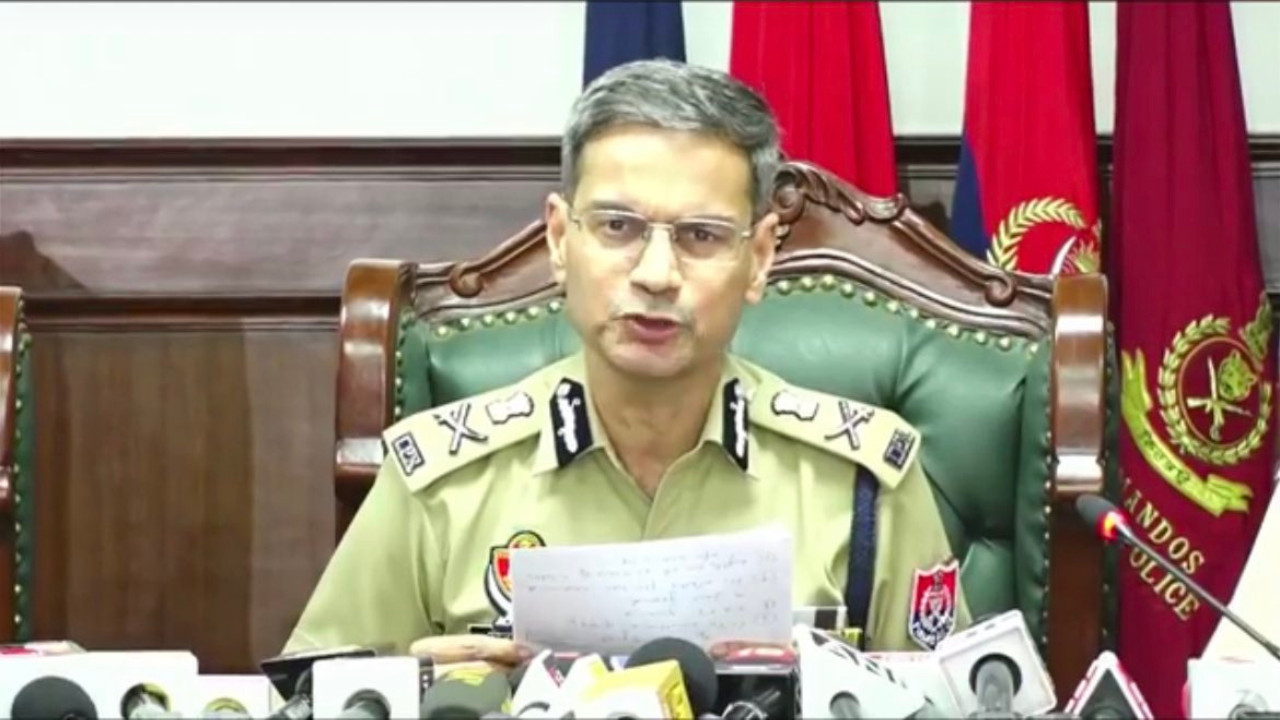
Punjab DGP Gaurav Yadav said, “Tip-offs have provided extra teeth to the Anti-Narcotics Task Force and we firmly believe that in the days to come, there will be more citizen participation in giving tip-offs and subsequent arrests as a result of it.”
ADGP ANTF Punjab Nilabh Kishore added, “The figures suggest that the anti-drug campaign is increasingly combining enforcement action with citizen-generated intelligence. The over 51,979 tip-offs received through the helpline indicate that members of the public are actively feeding information into the enforcement mechanism.”
The state has also sought to encourage people struggling with addiction to enter the treatment system through police intervention. The data shows that 42,498 persons struggling with addiction were admitted to de-addiction centres by the police, while another 1,55,970 persons struggling with addiction were taken by the police to OOAT clinics.
Separately, 11,239 individuals have been granted immunity under Section 64A of the NDPS Act, a provision that offers protection in specified circumstances to drug-dependent persons who voluntarily undergo treatment. The latest figures therefore highlight the anti-drug campaign’s two-pronged approach, a large-scale crackdown on the supply chain and increased reliance on citizens and law-enforcement personnel to identify people and networks involved in the drug trade.