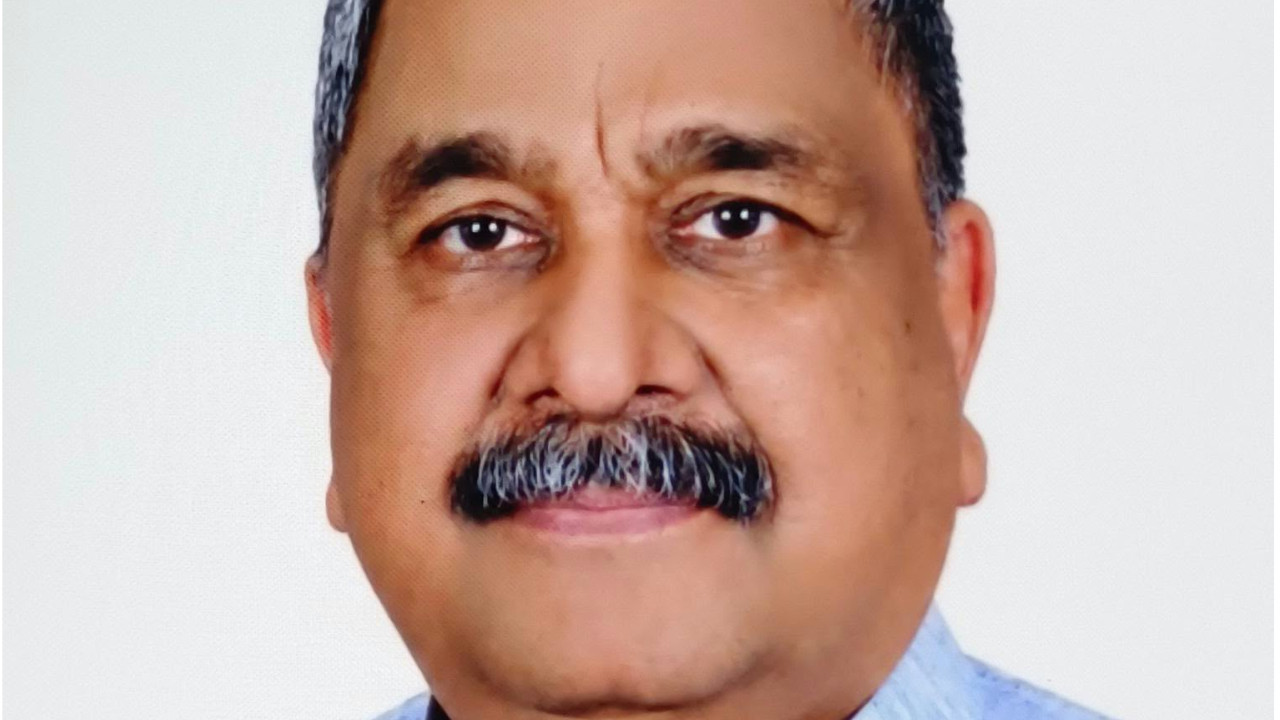
New Delhi: Amidst administrative measures concerning Jantar Mantar—the capital’s primary hub for protests and demonstrations—calls are now emerging to strike a balance between the right to peaceful protest and the maintenance of public order. Surendra Kumar Gupta, Vice President of the Vishwa Hindu Parishad’s Indraprastha unit and President of the Indraprastha Punarjagran Nyas, has stated that while administrative steps to maintain order may be necessary, it must be ensured that smaller social, religious, and public-interest organizations do not bear the brunt of the activities of larger organizations.
According to Surendra Kumar Gupta, protests serve as a vital medium for the public to convey their issues, demands, and grievances to the government in a democracy. However, when a movement exceeds its established boundaries and begins to disrupt the movement of ordinary citizens, public services, and daily life, administrative intervention becomes essential to uphold law and order. While it is natural to prioritize order and citizen convenience in such instances, any decision taken must also consider the needs of groups staging peaceful protests.
Why should smaller groups suffer the consequences of the actions of larger organizations?
Gupta noted that numerous small organizations from remote parts of the country travel to Delhi to voice their grievances and demands. These organizations often lack the resources to mobilize large crowds or the means for extensive publicity. For them, peaceful protest at a venue like Jantar Mantar has served as a crucial channel to convey their concerns to the government and relevant authorities.
He believes that while the administration may be compelled to take strict action when large organizations disregard established rules and norms—often while demonstrating their numerical strength, political influence, or power—such measures can inadvertently impact smaller groups whose sole objective is to present their demands on an appropriate platform. Therefore, it is essential to consider the circumstances and requirements of all types of organizations when formulating administrative protocols.
Referring to protests organized by opposition parties and groups like CJP, he emphasized that any organization must remain mindful of public convenience and the maintenance of law and order during its agitation. Whether a movement is political or social in nature, its success should be measured not merely by the size of the crowd, but by its objectives, discipline, and sensitivity toward the public interest.
Proposal to Accommodate Small Protests of Up to 200 People
Surendra Kumar Gupta has suggested considering an alternative arrangement to address this issue. His proposal envisions a system that accommodates small, peaceful protests requiring prior permission—involving up to 200 participants—at Jantar Mantar. Meanwhile, larger venues such as Ramlila Maidan could be designated for organizations planning large-scale rallies or demonstrations.
He believes such an arrangement would provide smaller organizations with the opportunity to voice their concerns while ensuring that larger events are allocated spaces suited to their scale and security requirements. However, the implementation of this proposal would depend on the administration’s jurisdiction, the availability of the respective venues, security standards, and applicable regulations. The competent administrative authorities will have to take the final decision in this regard.
The Right to Protest, but No License for Anarchy
Gupta clarified that criticizing government policies and staging peaceful protests to support one’s demands are vital components of democracy. However, obstructing the movement of ordinary citizens, bringing public life to a standstill, or flouting established rules in the name of protest cannot be considered appropriate conduct for any movement.
He stated that all organizations—whether political or non-political, large or small—must maintain discipline during their movements. At the same time, the administration should strive to develop a system that ensures security and public amenities while providing adequate space for peaceful dissent.
Balancing Order and Democratic Rights
Surendra Kumar Gupta asserts that a democracy is strengthened not merely by maintaining law and order, but also by listening to citizens’ legitimate grievances and keeping avenues open for their resolution. A system with clear, appropriate rules for peaceful protest could help minimize the risk of unnecessary confrontation.
He emphasized the need for a framework that neither fosters anarchy nor leaves the voices of smaller organizations unheard, and ensures that no organization can disregard the convenience of the general public simply by leveraging its numerical strength.