
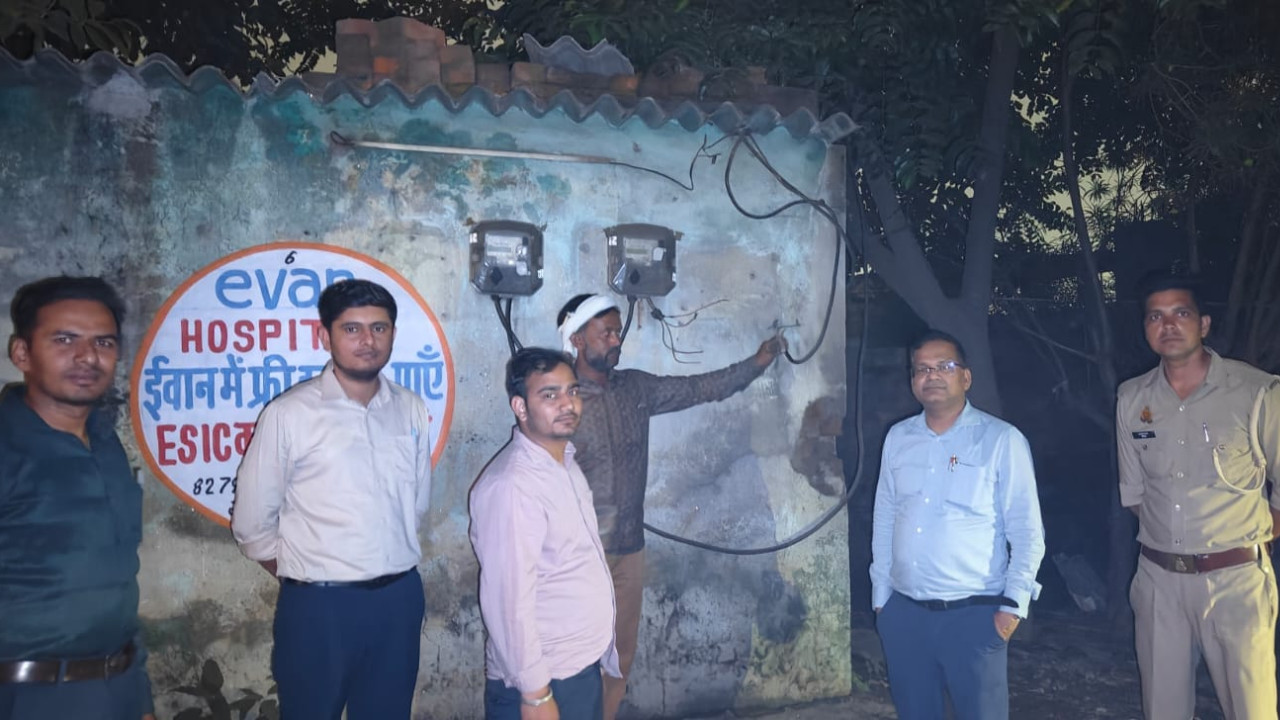
Muzaffarnagar: Authorities have sealed three industrial units in Muzaffarnagar after a joint inspection found inadequate arrangements to control dust generated during slag crushing. The inspection was conducted at around 10 pm by a committee constituted by District Magistrate Umesh Kumar Mishra.
The units were reportedly engaged in crushing slag obtained from rolling mills to produce powder and subsequently trading the material. Officials found excessive air pollution emissions and noted that the operators could not produce essential documents related to their operations. Following the inspection, the main gates of all three units were sealed, bringing their operations to a halt.
Which Units Were Found Violating Pollution-Control Requirements?
According to Kunwar Santosh Kumar, Assistant Engineer (AE) with the local Pollution Control Board, the inspection covered Steel Empire, M/s Gayyur and Adil Traders, located in Sujru.
The committee found that the units lacked adequate air-pollution control systems to contain dust released during slag-crushing activities. Officials said the absence of appropriate measures was resulting in excessive air pollution from the premises.
Required Consent Documents Not Produced
During the inspection, representatives of the units were asked to present the operational consent issued by the Uttar Pradesh Pollution Control Board. However, they reportedly failed to provide the required documents.
The inspection reports also recorded the absence of necessary consents relating to water and air pollution, along with other documents required from the relevant departments.
Sealing Action Taken in the Public Interest
The joint committee recorded in its reports that the main gates of all three units had been sealed and their operations stopped, citing public interest and complaints concerning pollution. Similar deficiencies and enforcement measures were documented in the inspection reports for each unit.
The next steps will involve scrutiny of the units’ operating permissions, pollution-control arrangements and compliance with applicable requirements, alongside monitoring by the relevant departments.
The inspection reports reportedly contain handwritten names of the units. Their exact names and locations should therefore be verified against official departmental records.
Reported by: Rohit