New Delhi: In view of the continuously deteriorating air quality in Delhi-NCR, the Gurugram administration has taken strict steps to control pollution. The administration has imposed a temporary ban on dust-generating construction and demolition-related work in the district from November 5 to November 20. Apart from this, 50 percent work from home arrangement has been made mandatory for employees in government and private offices.
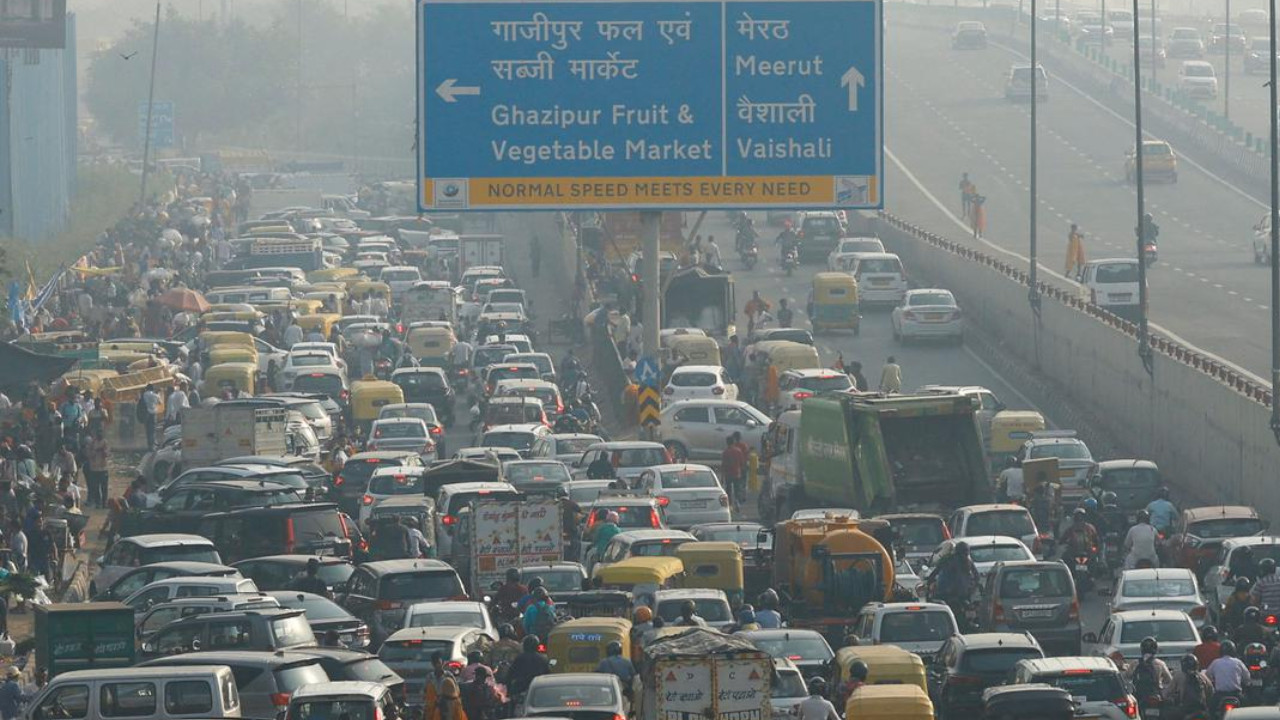
Deputy Commissioner Uttam Singh issued orders in this regard on Tuesday. These instructions have been implemented under the guidelines issued by the Commission for Air Quality Management (CAQM). The aim of the administration is to reduce vehicle movement on the roads and curb pollution caused by construction activities.
Which construction works will be banned in Gurugram?
According to the administration’s order, dust generating construction and demolition work will not be carried out in the district from November 5 to 20. This includes work related to highways, roads, flyovers, overbridges, pipelines and other public infrastructure projects.
However, some essential projects have been exempted from this restriction. Construction work related to railways, metro, airport, hospital, water supply, sanitation facilities and national security will be able to continue. Apart from this, industrial establishments and essential services have also been kept out of the ban.
What will be the new rule in government and private offices?
Gurugram administration has implemented the rule of 50 per cent working from home for government and private offices. Under this, only a maximum of 50 percent employees will be physically present in any office at a time. The remaining employees will have to work from home.
Offices will also have to keep records of employees’ attendance and duty roster ready. The administration believes that this system will reduce the number of people coming to office daily and will help in reducing the pressure of vehicles on the roads.
What action will be taken if rules are broken?
The administration has made special monitoring arrangements to ensure compliance with the new instructions. The concerned Sub-Divisional Magistrate (SDM) and officials of the Haryana State Pollution Control Board will conduct daily inspections.
If any institution or agency is found violating these rules, legal action can be taken against it under the Air Quality Management Commission Act, 2021.
How much danger does pollution pose to the health of children and the elderly?
Dr. Randeep Guleria, Chairman of the Institute of Internal Medicine, Respiratory and Sleep Medicine at Medanta Hospital, Gurugram, has expressed concern about the serious effects of pollution on health.
According to him, when AQI reaches the severe and extremely severe category, it can be especially dangerous for people suffering from chronic respiratory and heart diseases. Small children and elderly people can also easily fall prey to it.
According to Dr. Guleria, as pollution increases, the number of patients complaining of difficulty in breathing and persistent cough increases in hospitals. Some patients require hospitalisation, while severe cases may require ICU.
Why does the air of Delhi-NCR become poisonous in winter?
Dr. Guleria said that the geographical position of the Indo-Gangetic plains and slow winds are the major reasons for increase in pollution during the winter season. During this period, due to low wind speed, the pollutant particles are unable to spread in the atmosphere and start accumulating near the ground.
This increases the risk of people coming in contact with poisonous air. In such weather, people suffering from asthma, COPD and heart disease need to take special precautions.