Pakistan has found itself at the center of a serious international discussion after reports claimed that around 3,500 Pakistani soldiers could be sent to Gaza under an international stabilization force. Officials say no final approval has been given. The government insists talks are only exploratory. Still confirmation of discussions has changed the political temperature. News channels are debating it daily. Social media is full of questions. Many citizens are asking who initiated this idea and what Pakistan gains from it.
Can Armed Troops Deliver Peace There?
Supporters of the plan argue that Gaza needs security to recover after war. They say troops could protect aid convoys. Relief distribution could become safer. Basic order could return. Critics remain unconvinced. Gaza has faced repeated destruction. Trust is extremely low. Any foreign soldier may be seen with suspicion. Many believe peace cannot come from weapons. They fear a peace force may look like control. This doubt is spreading quickly among the public.
Is Washington Behind The Push?
Analysts link this discussion to the Gaza roadmap promoted by current US President Donald Trump. The plan calls for shared responsibility from Muslim nations. Troops and resources are part of that vision. Pakistan is viewed as experienced in peace missions. Experts say humanitarian language hides strategic goals. Regional influence remains a priority. For Pakistan this creates pressure. Saying no could strain ties. Saying yes could inflame domestic anger.
Why Does Army Chief Hold Key Role?
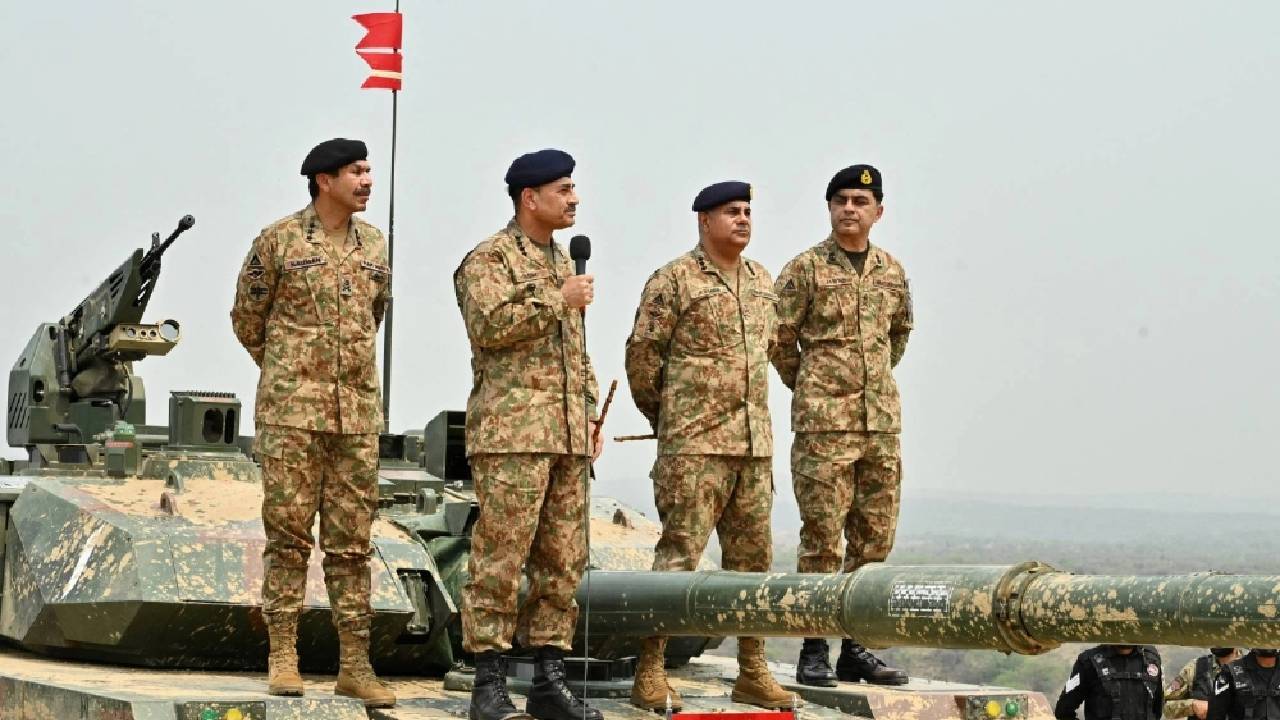
Focus has shifted to Pakistan’s army chief Asim Munir. Reports suggest military-level discussions have already taken place. Washington sees him as a strong decision-maker. If the mission moves forward his global standing may grow. But Gaza is unpredictable. Any setback would directly affect his leadership image. Security risks are high. Political fallout is possible. This is why the military is proceeding carefully and without haste.
What Message Did America Send Publicly?
Recent comments by US Secretary of State Marco Rubio intensified speculation. He described Pakistan as an important partner for future stability efforts. Diplomats see this as a signal rather than a command. Still such words carry weight. They suggest expectation. Pakistan has not agreed openly. But pressure quietly increases through such statements. In diplomacy even praise can create obligation.
Why Is Government Avoiding Final Call?
Pakistan’s foreign ministry maintains that the proposal is under consideration. Officials say no rushed decision will be taken. Risks are being evaluated. Costs are being measured. The government faces a difficult balance. On one side stands a powerful ally. On the other stands public emotion over Gaza. Delay helps manage pressure. It also reflects uncertainty. As long as talks continue speculation will grow. Silence is becoming harder to defend.
Could Public Anger Shape Outcome?
Gaza remains a deeply emotional issue in Pakistan. Anger against Israel is widespread. Religious parties are already vocal. Sending troops could trigger protests. Opposition groups may use it politically. Both government and army could face criticism. Many may call the move a Western agenda. Others may label it moral compromise. This decision goes beyond foreign policy. It is a test of internal stability. And public reaction may decide its fate.