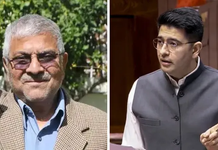
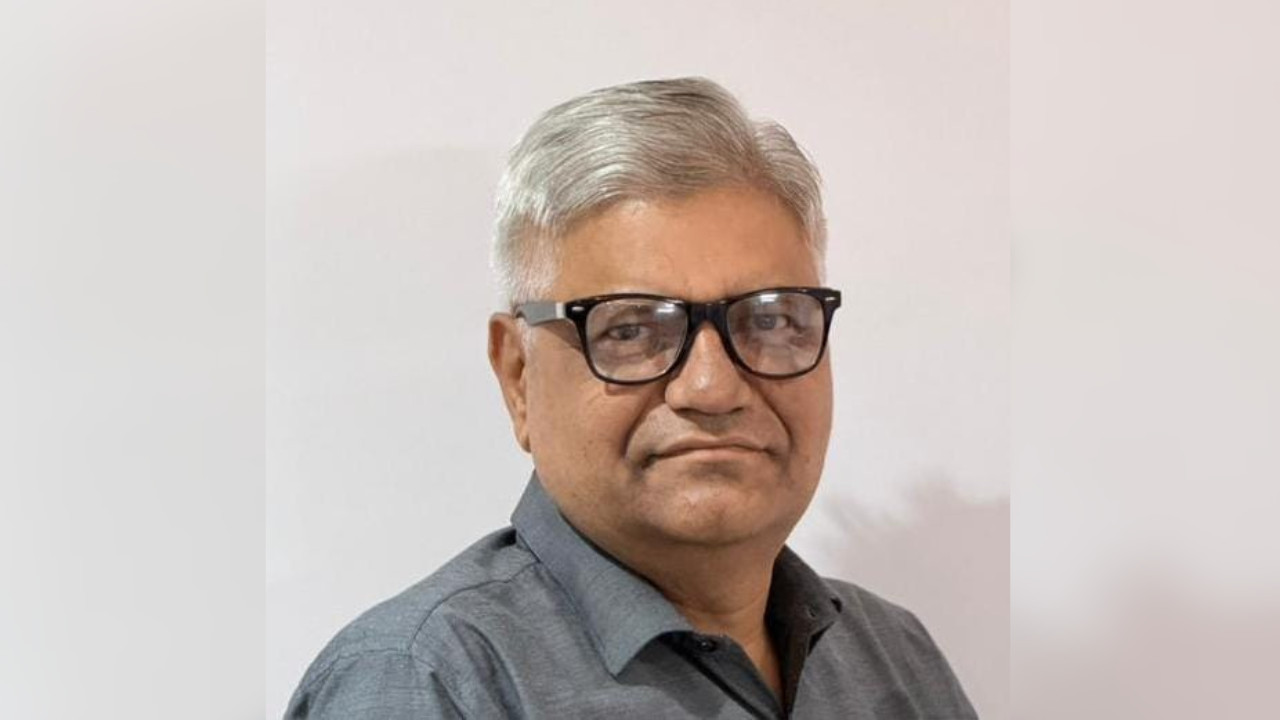
New Delhi: Delhi’s seasonal restrictions on BS-IV vehicles aimed at curbing rising winter air pollution have sparked debate across the transport sector. Anil Chhikara, former Deputy Transport Commissioner of the Delhi government, has called for a fresh review of the policy, questioning its technical basis, legal implications and practical impact on vehicle owners.
Chhikara argues that while tackling air pollution is essential, restrictions should be guided by a vehicle’s actual emission levels and technical condition rather than relying solely on its emission category or year of manufacture. He has urged authorities to consider a more evidence-based approach that balances environmental protection with the interests of vehicle owners.
Laboratory Findings Versus Real-World Driving Conditions
According to Chhikara, emission test results obtained under laboratory conditions, including specific load and operating parameters, should not automatically be applied to Delhi’s complex traffic environment. The capital frequently experiences congestion, slow-moving traffic and repeated stop-and-go driving, which can influence vehicle emissions.
He maintains that well-maintained BS-IV vehicles should not be treated as major contributors to pollution without assessing their actual emissions under relevant operating conditions.
However, BS-IV and BS-VI vehicles are subject to different emission standards, and actual pollution levels can vary depending on vehicle technology, maintenance and driving conditions. A comprehensive assessment would therefore need to account for these factors rather than assuming that all vehicles within a particular category perform identically.
Legal Provisions and Court Directives Under Scrutiny
The former transport official has referred to cases involving older vehicles before the National Green Tribunal and the Supreme Court, arguing that the legal framework governing vehicle restrictions needs greater clarity.
He has called for consistency between the Central Motor Vehicles Rules, vehicle registration provisions and judicial directions applicable to BS-IV vehicles. According to him, differences between restrictions on re-registration in Delhi and arrangements in other states can create unequal circumstances for vehicle owners.
Chhikara believes that authorities should clarify the legal basis of the restrictions and ensure that their implementation remains consistent with applicable rules and court orders.
Unequal Treatment of Two-Wheelers and Four-Wheelers?
Chhikara has also questioned whether the policy treats different categories of vehicles consistently. He argues that if reducing vehicular pollution is the primary objective, emissions from all vehicle categories should be assessed fairly.
Instead of imposing broad restrictions on selected categories, he has advocated stronger inspection and monitoring systems to identify vehicles emitting excessive pollution. Such an approach, he suggests, could help authorities target the actual sources of vehicular emissions more effectively.
Five-Year Extension Proposed Subject to Strict Testing
The former Deputy Transport Commissioner has proposed granting BS-IV vehicles an additional five years of operational eligibility, provided they pass stringent pollution and technical fitness assessments at authorised automated testing centres.
He believes this proposal could offer a middle ground between environmental objectives and the financial interests of vehicle owners. Under his suggested approach, vehicles meeting prescribed standards would be allowed to continue operating, while those failing the required tests would remain subject to applicable restrictions.
Chhikara has also raised concerns about the possibility of commercial interests influencing the policy. However, no supporting evidence has been presented for this allegation, and it should not be treated as an established fact without independent verification.
Can Delhi Balance Cleaner Air With Fair Treatment?
The debate highlights a wider policy challenge: how to reduce air pollution without imposing unnecessary hardship on owners of vehicles that may be technically fit and compliant with applicable requirements.
Chhikara’s proposal centres on individual vehicle assessments, transparent legal standards and consistent enforcement. Whether such an approach could be incorporated into Delhi’s existing restrictions would depend on the applicable legal framework, environmental evidence and decisions by the competent authorities.
Ultimately, the challenge for policymakers is to design measures that effectively curb pollution while ensuring that restrictions are scientifically justified, legally sound and fairly implemented.