
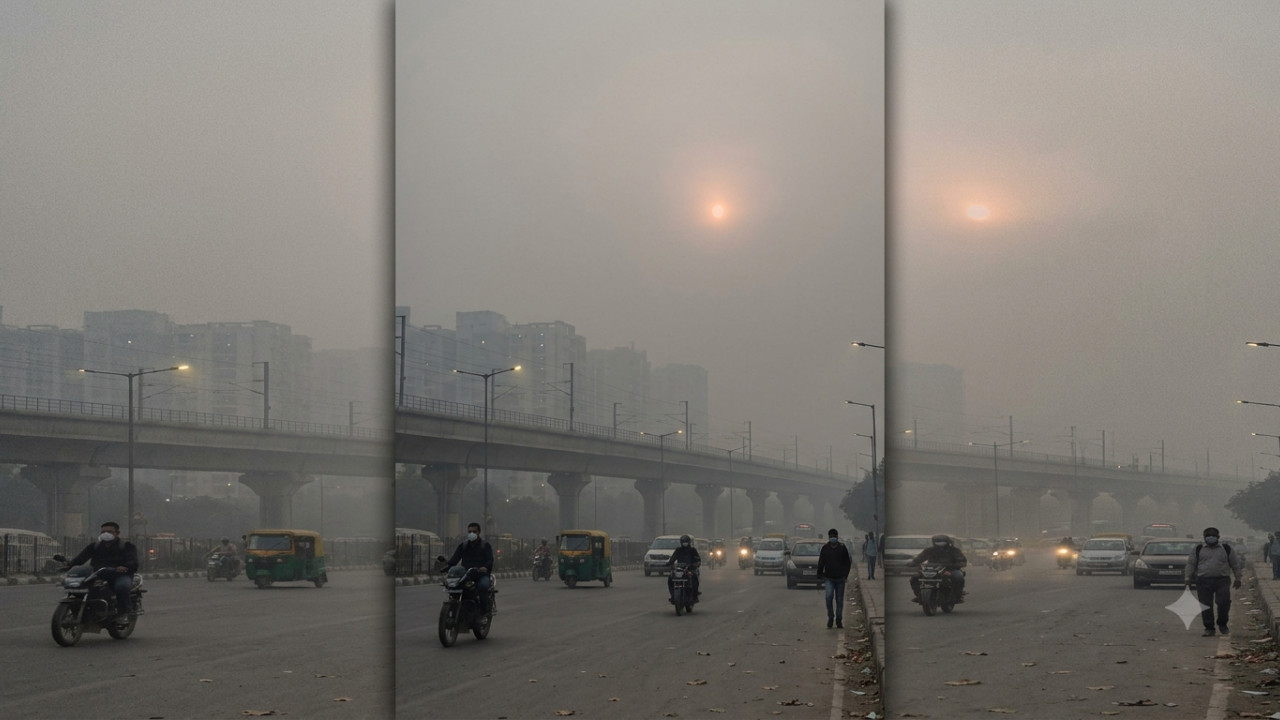
New Delhi: To protect yourself when pollution levels rise, you don’t necessarily need to buy air purifiers or expensive gadgets. Making a few small changes in your habits can help reduce your exposure to polluted air. From wearing the right mask to controlling dust and smoke in your home, there are many inexpensive measures. These precautions can be especially helpful for people living in cities like Delhi-NCR.
Wear an N95 mask when going out
The most important thing to protect yourself from pollution is the right mask. Common cloth or loose surgical masks available in the market do not provide adequate protection against extremely small pollution particles like PM2.5. Instead, it is better to use a good quality, certified N95 or FFP2 mask. Ensure that the mask fits snugly and completely covers the nose and mouth. If the mask is loose or allows air to enter through the edges, its effectiveness may be diminished.
Avoid pollution even inside the house
Sometimes, smoke and dust inside the house can also increase the problem. If you cook in the kitchen, use an exhaust fan or chimney. Avoid burning incense sticks, dhoop, candles, and mosquito coils. These can increase smoke and fine particles in the air. Use a wet mop instead of a dry broom to clean the floor to prevent dust from spreading. Regular cleaning of the air conditioner filter is also important.
Avoid exercising outdoor
Running or jogging on the roadside early in the morning can be harmful when pollution levels are high. During vigorous exercise, breathing increases, and the body inhales more polluted air. It’s best to exercise indoors during these times. If you must go outside, choose parks or less crowded paths instead of traffic-filled streets.
Make your routine according to AQI
To avoid pollution, it is also important to check the Air Quality Index (AQI) daily. There is no need for any expensive monitor for this. AQI of your area can be seen through CPCB website or free app. In India, AQI is divided into six categories. 0-50 is considered good, 51-100 is satisfactory, 101-200 is moderate, 201-300 is poor, 301-400 is very poor and 401-500 is severe. It is better to reduce outdoor activities when AQI goes above 200. Outdoor exercise should be avoided at very poor and severe levels.
Drink water, but don’t fall for detox drinks
Drinking plenty of water and maintaining a balanced diet are good habits during times of pollution. Include fruits and green vegetables in your diet and get adequate sleep. However, it’s important to understand that no specific juice, detox drink, or supplement is a proven way to eliminate pollution particles from the body or reverse the effects of pollution.
Do not be careless if you have trouble breathing
Children, the elderly, and those with asthma or heart disease should exercise increased caution during pollution. Consult a doctor if you experience persistent cough, shortness of breath, chest tightness, or wheezing. Seek immediate medical attention if you experience severe shortness of breath or chest pain. The Ministry of Health advises that those with pre-existing medical conditions should keep their prescription medications with them and seek immediate medical advice if symptoms worsen.
Taking some simple precautions can reduce your exposure to pollution without spending a lot of money. Keep in mind, these measures don’t eliminate pollution completely. Controlling the source of pollution and taking more drastic steps are also essential for long-term clean air.