
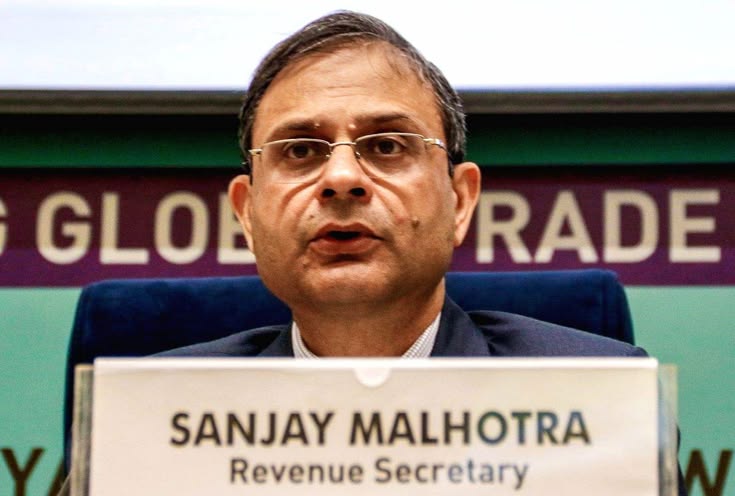
New Delhi: In its latest review meeting, the Reserve Bank of India’s (RBI) Monetary Policy Committee (MPC) on Friday unanimously decided to keep the key policy rate, the repo rate, at 5.25 per cent.
What did the RBI Governor say?
RBI Governor Sanjay Malhotra announced that the central bank will maintain its neutral stance. This decision means that millions of borrowers across the country will not face any new burden on their home loan, car loan, or personal loan EMIs for the time being.
New Growth and Inflation Projections
The RBI has made a major change in its economic projections for the current financial year (FY27) in view of rising geopolitical tensions in West Asia, high fuel prices and supply chain disruptions.
Governor Malhotra stated that unprecedented global challenges are posing a significant threat to the global economy. Weak global demand and high logistics costs are hampering the Indian export sector. Furthermore, rising crude oil and energy prices are increasing the risk of the country’s current account deficit (CAD). However, he clarified that future monetary policy will remain entirely data-dependent.
“CPI inflation remains below the target despite the global shock as the pass-through to domestic prices has been limited,” he said.
Strong Confidence in the Domestic Economy
Despite international uncertainties, the RBI Governor expressed confidence that India’s domestic economic activity remains robust and stable. India’s large foreign exchange reserves provide a strong cushion against any external shocks. The exchange rate policy remains unchanged, and the RBI is not targeting any specific rate or band for the rupee.
Announcements for Foreign Investors and the Banking System
The RBI will continue to maintain adequate liquidity in the banking system to meet the productive needs of the economy. Additionally, to attract investors, investment regulations for foreign portfolio investors (FPIs) in government securities have been eased. Furthermore, investment limits for non-resident Indians (NRIs) and non-resident citizens of India (OCIs) in equity instruments have been increased.