Patiala: What appears to be a short distance on the map between Patiala and Sangrur turned into a long and emotionally draining journey for Gurpinder Jeet Singh. For him, every trip was not just about kilometres, but about fear, uncertainty, and watching his mother struggle with a serious illness.
Diagnosis That Changed Everything
Gurpinder, who works as a driver in Patiala, saw his routine life disrupted when his 65-year-old mother, Baljit Kaur, began showing signs of weakness and loss of appetite. “She gradually stopped eating. Even drinking water became difficult,” he recalled.
After initial visits to local clinics, she was referred to Rajindra Hospital, where medical tests confirmed that she was suffering from uterine cancer. The diagnosis marked the beginning of an intense and costly treatment journey.
Rising Medical Costs and Financial Strain
Treatment began immediately, but expenses escalated quickly. Within just a few weeks, the family had already spent more than Rs 60,000. As a driver, arranging more money was difficult. I started thinking about loans and selling belongings,” Gurpinder said.
Doctors recommended chemotherapy followed by surgery, depending on how her body responded. However, with every hospital visit and consultation, the financial burden grew heavier.
Discovering a Lifeline
Amid the uncertainty, Gurpinder learned about the Mukh Mantri Sehat Yojana through someone at the hospital. Initially doubtful, he decided to verify the details and completed the necessary formalities.
After verification, the family was successfully enrolled in the scheme, which provides cashless treatment at government and empanelled private hospitals. Health officials say the initiative is designed to make healthcare accessible across income groups with minimal documentation.
Treatment Without Interruption
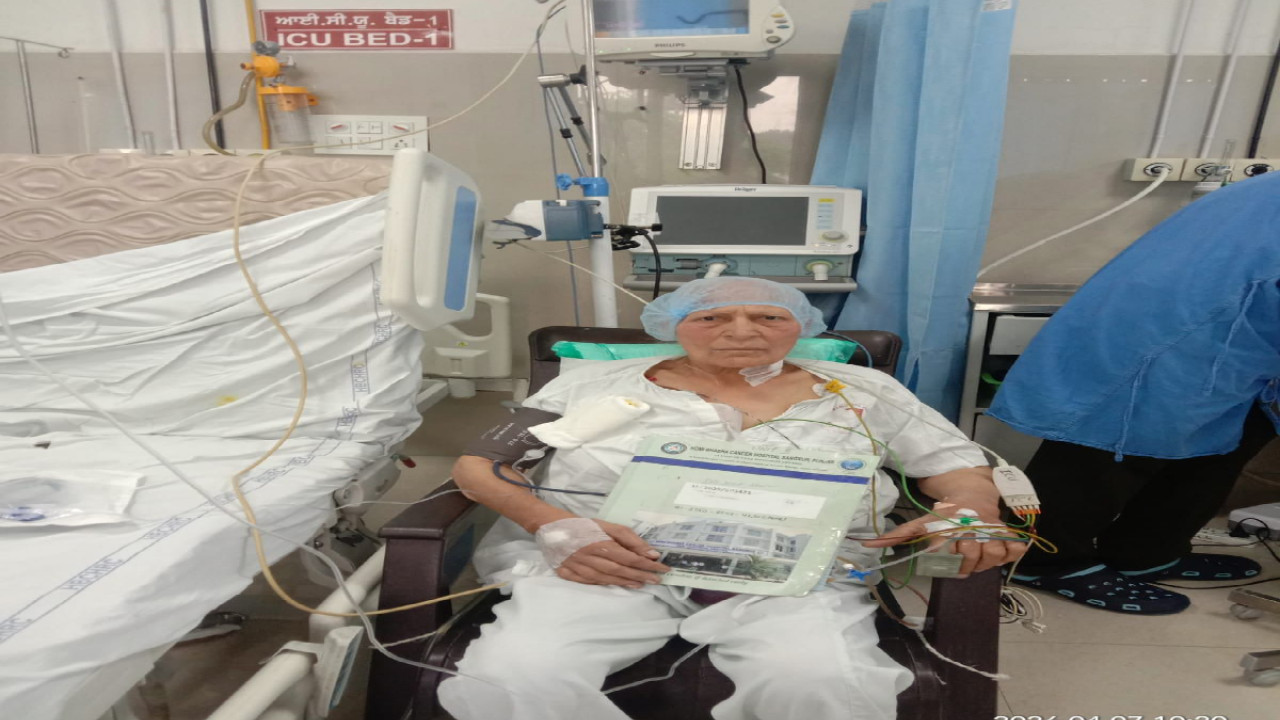
With financial support in place, Baljit Kaur continued her treatment without delays. She underwent around 12 chemotherapy sessions, followed by an eight-hour surgery. After the operation, she remained in the ICU on ventilator support for several days before her condition stabilised.
“She was in the ICU for days. We just waited outside,” Gurpinder said, recalling the tense period.
Doctors emphasised that uninterrupted treatment played a crucial role in her recovery, noting that timely care often leads to better outcomes.
Costs Covered, Burden Reduced
Gurpinder estimates that the total cost of treatment, including chemotherapy, surgery, ICU stay, medicines, and hospitalisation, would have ranged between Rs 8 and Rs 10 lakh.
Most of these expenses were covered under the scheme, although the family had to purchase some medicines separately due to their unavailability at the hospital. “The biggest relief is that we didn’t have to stop treatment because of money,” he said.
A Gradual Recovery at Home
After discharge, Baljit Kaur returned home, where she is now recovering steadily. Family members say she is slowly regaining strength. She eats a little more, speaks a little more, and is gradually returning to normal life.
When Support Meets Hope
For Gurpinder and his family, the journey reflects both the emotional and financial challenges of serious illness. At the same time, it highlights how government healthcare support can ease that burden.
The road from Patiala to Sangrur remains unchanged in distance. But for this family, it has become a path marked by struggle, resilience, and ultimately, hope regained.