New Delhi: On the occasion of Independence Day, the tricolor flutters proudly across the country. From homes to government offices and public places, the national flag is seen as a symbol of the unity and pride of the country. But seeing the tricolor which creates a feeling of pride in the mind of every Indian, there are many facts related to it about which very few people know. On 22 July 1947, the Constituent Assembly adopted the tricolor in its present form as the national flag. After this, it became the identity of independent India from 15 August 1947.
Was the current design of the tricolor prepared before independence?
The history of the tricolor started many years before the country’s independence. Pingali, a name associated with the design of the national flag, is prominently associated with Venkaiah. Charkha was used in the flag before independence. Later, Ashoka Chakra was adopted in place of Charkha for independent India. In this way the present tricolor acquired a new form while maintaining its heritage associated with the freedom movement.
What do the three colors in the tricolor mean?
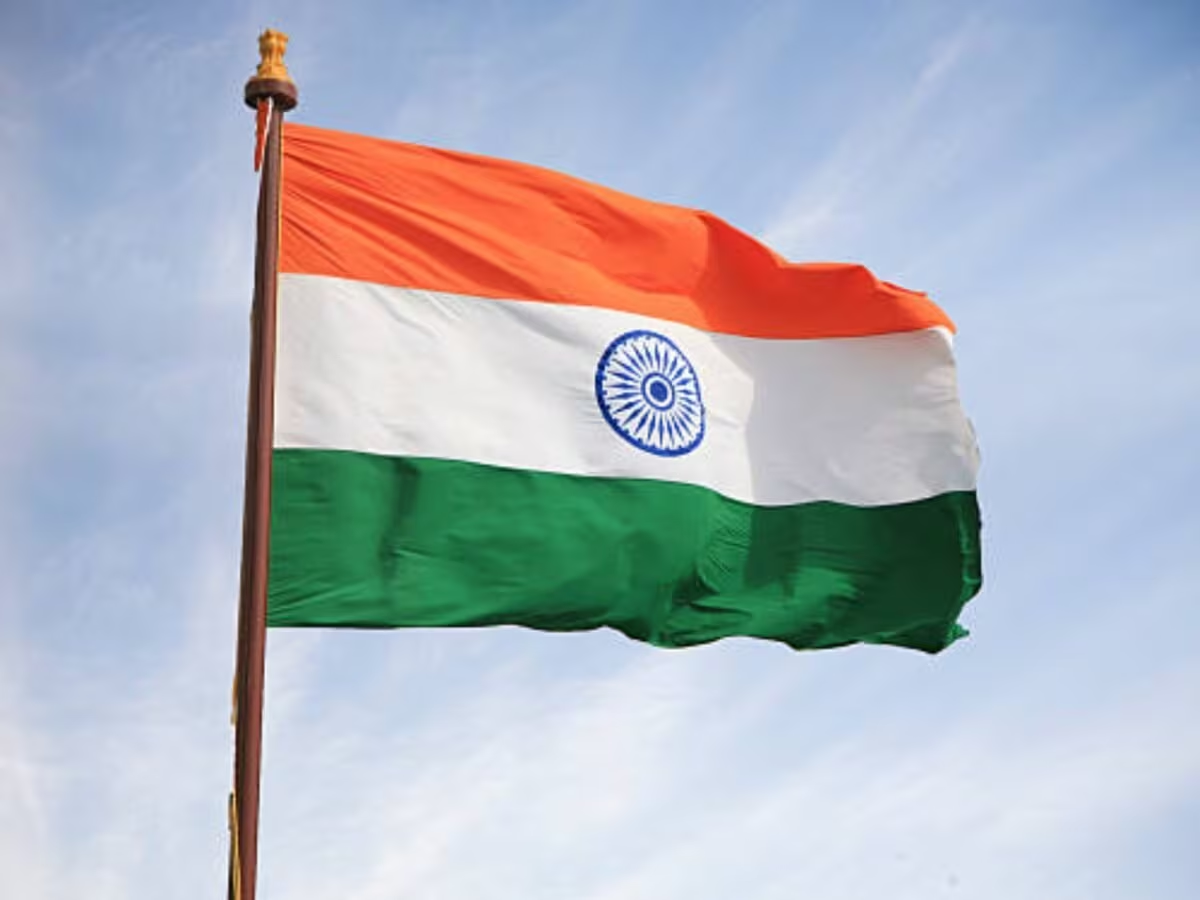
The national flag has saffron stripes at the top, white in the middle and green at the bottom. Saffron color is considered a symbol of strength and courage of the country. The white stripe represents peace and truth, while the green color is associated with the fertility, growth and auspiciousness of the land. These three colors have their own identity, but together they make the tricolor special.
Why are there only 24 spokes in the Ashoka Chakra?
There is a dark blue Ashoka Chakra on the white stripe in the middle of the tricolor. There are total 24 spokes in it. This Chakra has been taken from the Dharmachakra of the Lion Pillar of Ashoka at Sarnath. According to the national portal, Dharmachakra gives the message of movement and continuous progress. Its presence in the tricolor is also linked to the progress and dynamism of the country.
Is the ratio of length and width of the tricolor fixed?
The national flag can be of any size, but there are rules regarding its proportions. The ratio of length and width of the flag should be 3:2. That is, the longer the flag is, its height will have to be kept in the same proportion. The rules regarding the size and display of the national flag are clearly given in the Flag Code of India.
Can common people also hoist the tricolor on any day?
Earlier, the rules regarding the national flag were more limited for common citizens. After changes in the Flag Code implemented from 26 January 2002, common citizens were allowed to hoist the national flag at home, office and other places. Later further changes were made in the rules. Under the existing provisions, citizens, private organisations and educational institutions can hoist the Tricolor on all days and occasions while maintaining respect and dignity.
Now can the tricolor be hoisted at home even at night?
This rule has also changed with time. After the amendment in the Flag Code in July 2022, permission was given to hoist the tricolor day and night at home. However, it is important to follow the rules related to respect and dignity of the national flag. A damaged or torn flag should not be displayed.
Is only Khadi used to make the tricolor?
This is also important information related to the tricolor. The Flag Code was amended in 2021, after which the national flag can be made from hand-spun and hand-woven cloth as well as machine-made cotton, polyester, wool, silk and khadi bunting. This means that now there has been a change in the rules regarding the making of the tricolor as compared to earlier.
What are the rules regarding respect for the tricolor?
It is important to maintain the dignity of the national flag while using it. The flag should not be torn or frayed and should be displayed in a place of respect. Those using the tricolor have to follow the provisions of the Flag Code of India and the Prevention of Insults to National Honor Act. The Home Ministry has also issued instructions from time to time regarding strict adherence to these rules.