Chandigarh: As the world marks World Hypertension Day, the Punjab Government’s Mukh Mantri Sehat Yojna (MMSY) is bringing significant relief to patients battling high blood pressure and related ailments by ensuring affordable and timely healthcare access.
What is hypertension?
Hypertension, commonly known as high blood pressure, is often described by doctors as the “silent killer”. It shows little warning before triggering strokes, heart failure or kidney disease. The condition Is common across age groups.
With hypertension emerging as a growing health concern across all age groups, the Punjab government is focusing on prevention, early detection, and treatment. While the CM di Yogshala promotes healthy living, Aam Aadmi Clinics ensure early screening (1 crore screened, 24 lakh treated), and the MMSY provides cashless care, helping prevent serious complications like stroke and heart disease.
What did WHO say?
According to the World Health Organisation (WHO), India carries a rapidly increasing burden of hypertension, fuelled by poor dietary habits, stress, tobacco use, lack of physical activity and irregular routines.
How is Mukh Mantri Sehat Yojana helping?
octors warn that many patients remain unaware of the condition until severe complications occur. Amid this growing health crisis, Punjab’s Mukh Mantri Sehat Yojna has become a critical safety net. The scheme is helping thousands of patients receive treatment for hypertension and related complications without the burden of unaffordable medical bills.
On this World Hypertension Day, the greatest achievement of the Mukh Mantri Sehat Yojana may not only be the number of claims settled, but also the focus on prevention and timely detection of hypertension.
What did government say?
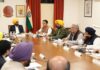
The Bhagwant Mann government has strengthened screening, early diagnosis, and treatment across Punjab. Health Minister Dr Balbir Singh said, “Regular screening is being conducted at all health facilities, including 990 Aam Aadmi Clinics, where people aged 30 years and above are being screened for hypertension and linked to timely treatment.”
He further shared that over 1 crore people aged 30 and above have been screened and 24 lakh enrolled for treatment. “Monthly follow-ups, free medicines, and timely referral ensure continuous care, with strong rural-urban primary healthcare coverage.”
What is CM di Yogshala say?
Alongside this, the CM di Yogshala, a landmark initiative of the Punjab Government aimed at making yoga accessible to every section of society, with over 10,600 yoga classes and nearly 3 lakh participants, is promoting yoga, stress management, and healthier lifestyles to help control hypertension and other lifestyle diseases.
Hospital admissions linked to strokes, cardiac emergencies and kidney ailments caused by uncontrolled blood pressure are covered under the Mukh Mantri Sehat Yojana (MMSY) scheme, offering relief to families already battling emotional distress.
What is there in the data?
Most hypertension patients in Punjab continue to belong to the middle-aged and elderly population, with the heaviest burden seen among those between 40 and 80 years of age. Data from State Health Agency (SHA) reveals that Gurdaspur recorded patients as old as 94, while S.A.S Nagar reported cases up to 98 years, underlining the disease’s deep reach among senior citizens.
Districts such as Patiala, S.A.S Nagar, Hoshiarpur, Jalandhar and Faridkot reported some of the highest and widest spreads of cases across both genders. In Amritsar and Ludhiana, hospital records show a particularly high concentration among women aged between 50 and 77 years.
What did the official say?
Dr Saurabh Sharma, Associate Professor and Head of Department of Cardiology at Government Medical College and Rajindra Hospital, Patiala, says hypertension is no longer confined to old age. “Modern lifestyles bring a different set of health challenges across all age groups. While the majority of hypertension cases are seen among people aged 40 to 90 and above, we are also witnessing cases in teenagers and people in their twenties and thirties,” he says.
Dr Sharma adds, “Lifestyle factors such as stress, poor diet, lack of exercise, and irregular routines play a major role, though certain medical conditions can also lead to hypertension.” He further warns that the complications are appearing earlier than before. “What we are seeing now is not just high blood pressure, but its complications arriving earlier than before, stroke, heart failure and kidney disease.
Schemes like Mukh Mantri Sehat Yojna, Dr Saurabh Sharma says, are crucial because they ensure patients do not delay treatment due to financial fear. In hypertensive emergency, delay is often the difference between recovery and tragedy, he informs.
Health officials say the scheme’s importance lies not merely in treatment, but in timely intervention. In earlier years, many families delayed hospitalisation because of financial fear. Such delays often proved dangerous, sometimes fatal. Under the Sehat Yojna, patients are increasingly seeking medical attention earlier, improving their chances of recovery. For middle-class households, pensioners and government employees, the scheme has become a buffer against catastrophic expenditure.