New Delhi: A significant change has been introduced to the proposed US sanctions bill targeting countries that purchase crude oil from Russia. According to a new report, the amended legislation reduces the proposed maximum tariff from 500 percent to 100 percent. The revision could offer relief to major buyers of Russian oil, including India and China.
What has changed in the new proposal?
The amended bill introduced by US lawmakers has reduced the previously proposed 500 percent tariff to a maximum of 100 percent. Apart from this, this duty is now proposed to be imposed not on all countries, but on the top five countries that buy the most oil and natural gas from Russia.
What impact can this have on India and China?
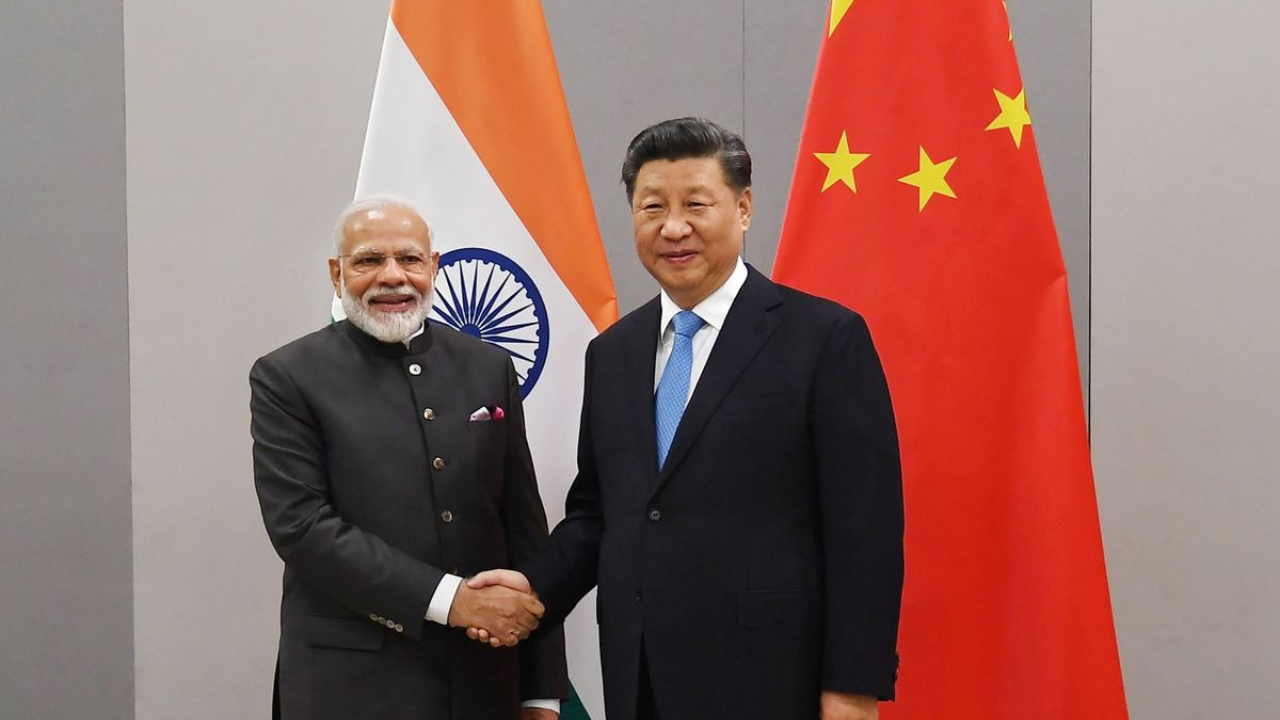
India and China are counted among Russia’s largest energy importers. In such a situation, if this bill becomes law, it can have an impact on both countries. However, economic pressure is expected to remain limited compared to before the tariff rate reduction.
Will Trump get the power to grant special exemptions?
The amended proposal talks about giving the US President the right to give relaxation in sanctions or tariffs if he feels that it is necessary to provide relief to a country in the national interest. This will leave scope for taking decisions as per the circumstances in the future.
What is the purpose of this bill?
The purpose of this law is to increase economic pressure on Russia’s energy business and to motivate those countries to reduce their dependence on Russian oil and gas. Along with this, a proposal to impose additional sanctions on Russian officials is also included.
How much support is the bill getting?
This proposal has received the support of lawmakers from both the Republican and Democratic parties. It has several co-sponsors in the US Senate, and support is expected to increase in the coming days. Political analysts believe that the chances of passing the amended bill have become stronger than before.
What will happen next?
At present, this is only a proposed bill, and it is yet to be approved by the US Congress to become law. If passed, it could impact America’s trade relations with countries that import energy from Russia and the global energy market.