Kabul: The Taliban government in Afghanistan has implemented new family laws related to marriage, divorce and child marriage, which are drawing sharp reactions at the international level. This new rule consisting of 31 paragraphs has been approved by Taliban Supreme Leader Hibatullah Akhundzada. New arrangements have been made in the rules regarding matters like child marriage, forced separation, missing husband, religious conversion and adultery. The biggest controversy is regarding the provision that states that the silence of an unmarried girl who has reached puberty can be considered consent for marriage.
What is the most controversial provision of the new law?
According to the new rules, if a “virgin girl” remains silent on a marriage proposal after attaining majority, her silence can be considered consent. However, this will not be considered in case of boys or already married women. Women’s rights organizations have expressed serious concern about this provision and said that this can completely weaken the free will of girls.
What has been said about child marriage?
The new Taliban law also mentions the option of “Khiyar al-Bulugh” i.e. annulment of marriage upon attaining majority. According to the rules, if a minor is married by a relative other than his father or grandfather, the marriage can still be considered valid, provided the groom is socially suitable and the dowry is considered reasonable. However, after attaining majority, the girl can seek annulment of the marriage in court.
Have parents got special rights?
The rules give wide powers to fathers and grandfathers in cases of child marriage. However, it also states that if the guardians are found to be mentally unfit, tyrannical or morally corrupt, such a marriage can be declared void. Despite this, human rights organizations say that this system weakens the safety of minor girls.
In which cases did the courts get new powers?
Taliban courts have been empowered to intervene in cases such as allegations of adultery, religious conversion, long-missing husbands and “zihar”. Jihar is an old principle in Islamic tradition in which a husband compares his wife to a relative with whom marriage is considered prohibited. In these cases, courts may order isolation, prison, or other punishment.
What restrictions are already there on women?
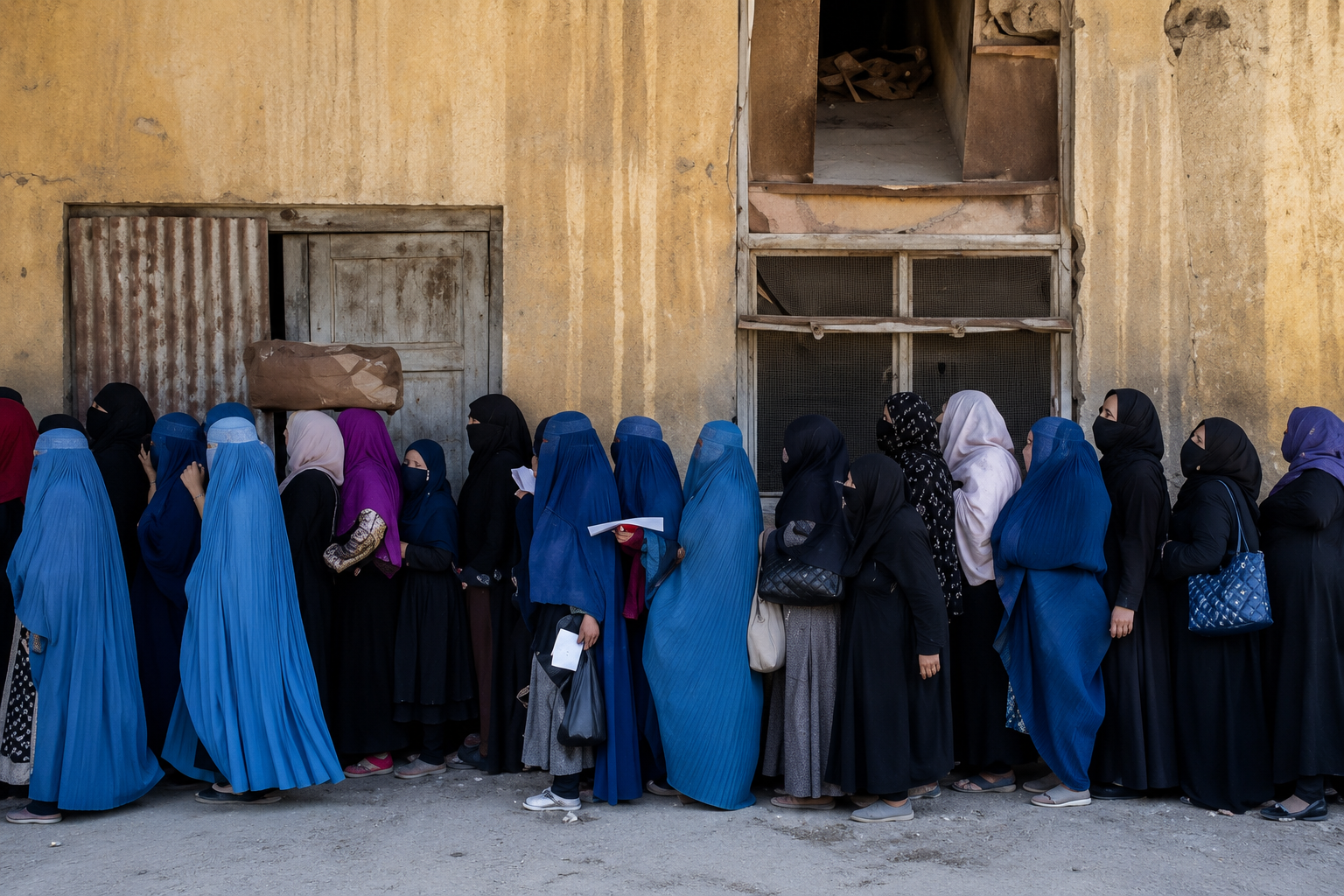
The Taliban government has imposed several harsh restrictions on women and girls since returning to power in August 2021. Afghan girls’ education after sixth grade has been stopped. Women are also strictly prohibited from attending university, working in many fields and traveling alone. Many international organizations have even termed the Taliban’s policies as “gender apartheid.”
What concerns did the international community raise?
Women’s rights activists and international organizations have described the new rules as extremely dangerous. Political commentator Fahima Mohammed said that considering a child’s silence as consent is like taking away her voice. He said it would be wrong to call such rules representative of Islam as a whole, as the Quran does not support coercion and abuse of women.